
News
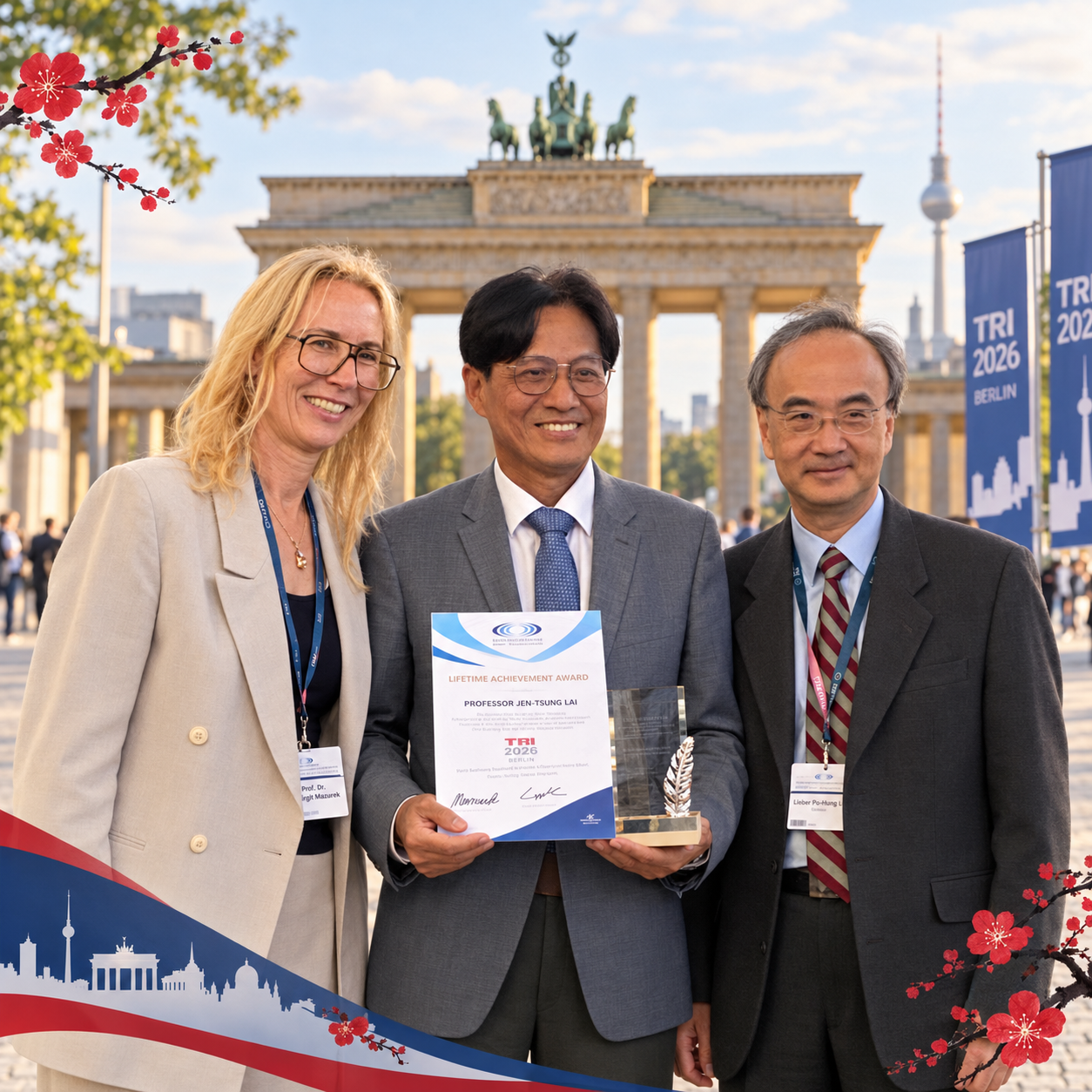
Professor Jen-Tsung Lai Receives Taiwan Tinnitus Association Lifetime Achievement Award at TRI 2026
Professor Jen-Tsung Lai received the Taiwan Tinnitus Association Lifetime Achievement Award during a special ceremony at the Tinnitus Research Initiative Conference 2026 in Berlin.
TRI 2026 Read More

From Berlin to London: What TRI 2026 Revealed About the Future of Tinnitus Research
The 20th Tinnitus Research Initiative Conference brought the international tinnitus community to Charité – Universitätsmedizin Berlin from 16 to 18 September 2026. Under the presidency of Profe Read More

TRI 2027 Heads to Washington, DC: The Next Generation in Tinnitus Research
Washington meeting will continue the international tinnitus calendar following WTC & ITS 2027 in London
The Tinnitus Research Initiative (TRI) has announced details of i Read More
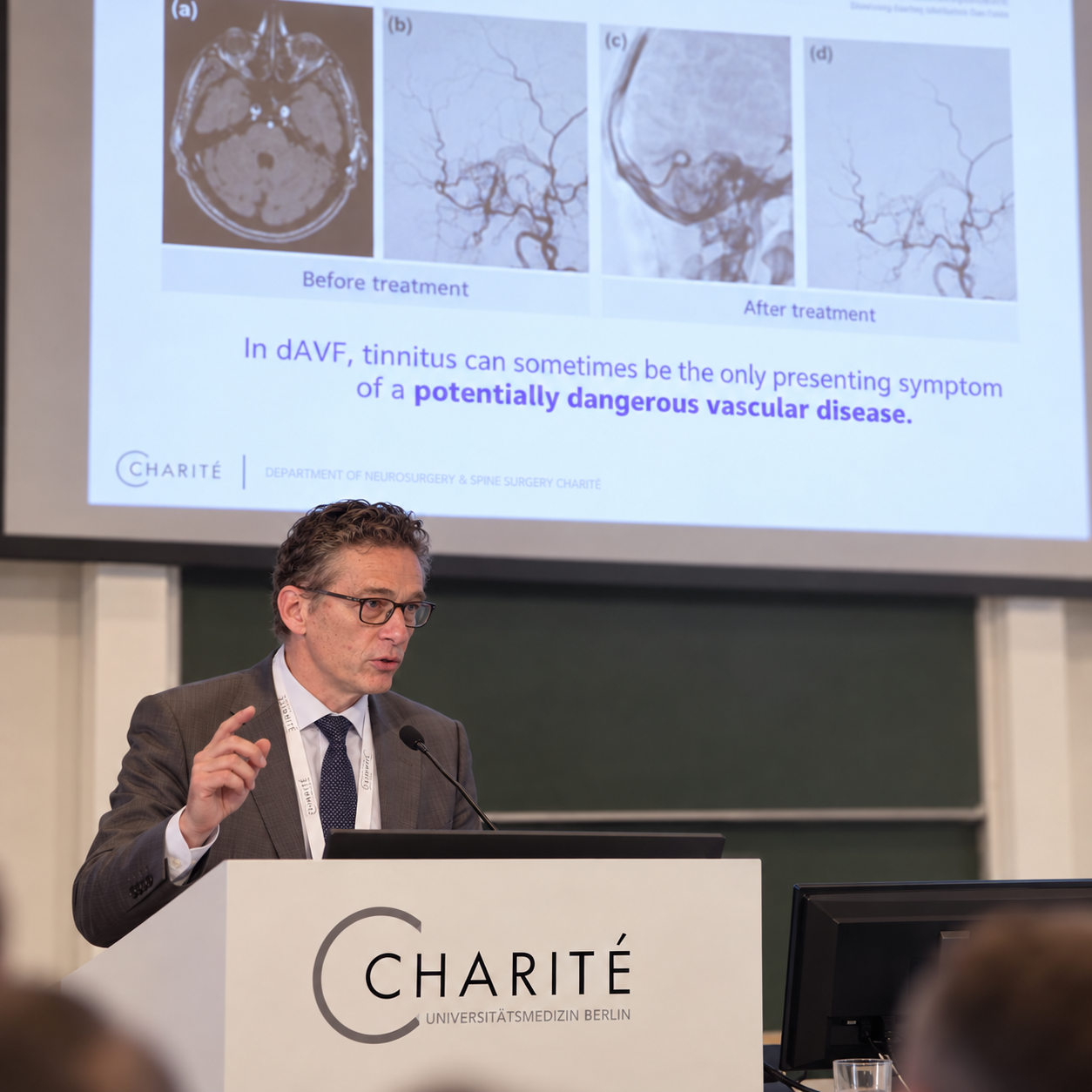
Leading Charité Berlin Neurosurgeon Professor Peter Vajkoczy Highlights Treatable Causes of Tinnitus
Professor Peter Vajkoczy, Director of the Department of Neurosurgery at Charité – Universitätsmedizin Berlin, Read More

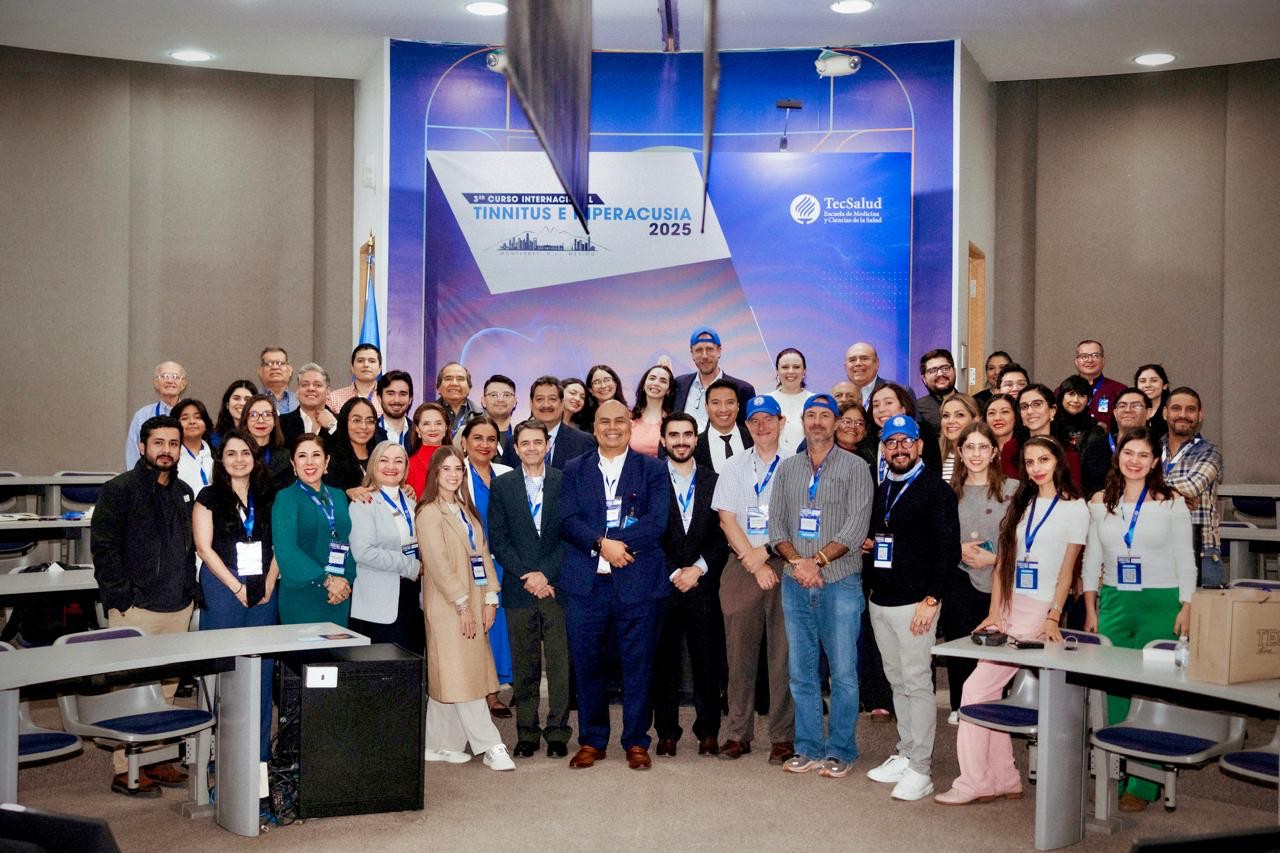
3rd International Course on Tinnitus and Hyperacusis 2025, Mexico | 3.er Curso Internacional de Tinnitus e Hiperacusia 2025, México
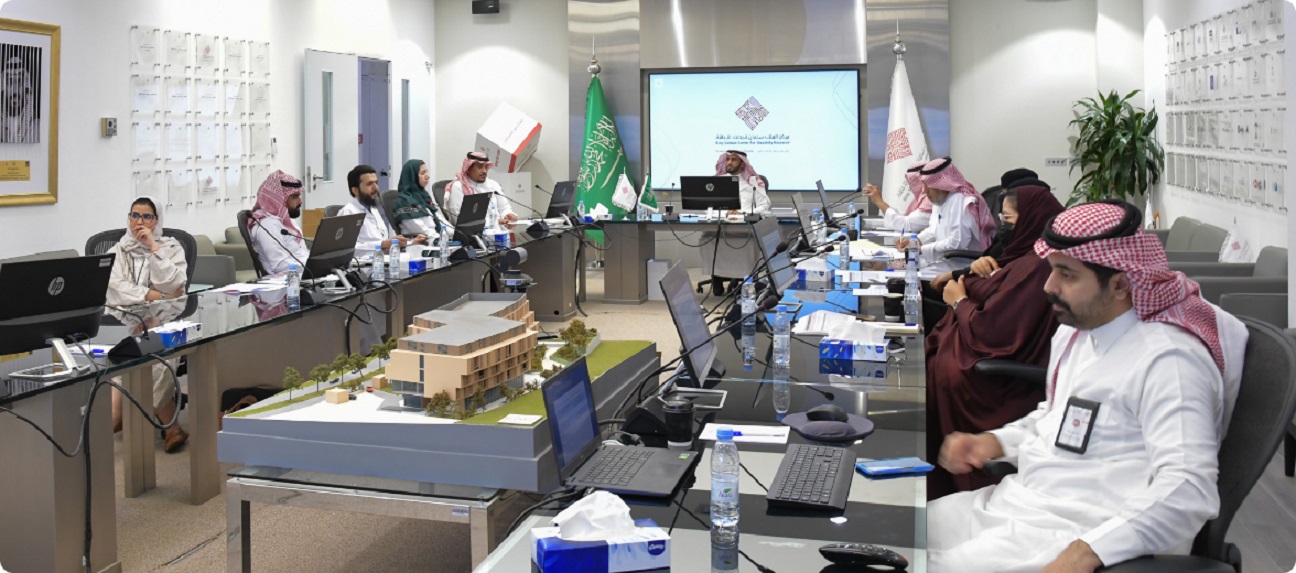
Saudi Arabia’s KSCDR Advances International Exchange in Tinnitus and Hearing Loss مركز الملك سلمان لأبحاث الإعاقة في المملكة العربية السعودية يعزز التبادل العلمي الدولي في مجال طنين الأذن وفقدان السمع
5 May 2026 | Saudi Arabia | International Online Seminar
The King Salman Center for Disability Research (KSCDR), Saudi Ar Read More

Misophonia Collaboration Forum: Pathways Forward
The Misophonia Research Fund (MRF), a partner of WTC & ITS 2027, will host the 2026 Misophonia Collaboration Forum: Building Strategies for Action Read More

Tinnitus at AAA 2026: Advancing Research, Clinical Care and Innovation
Tinnitus was a focus of clinical education, research and discussion at the American Academy of Audiology’s Annual Convention 2026 in San Antonio, Texas. The meeting brought Read More
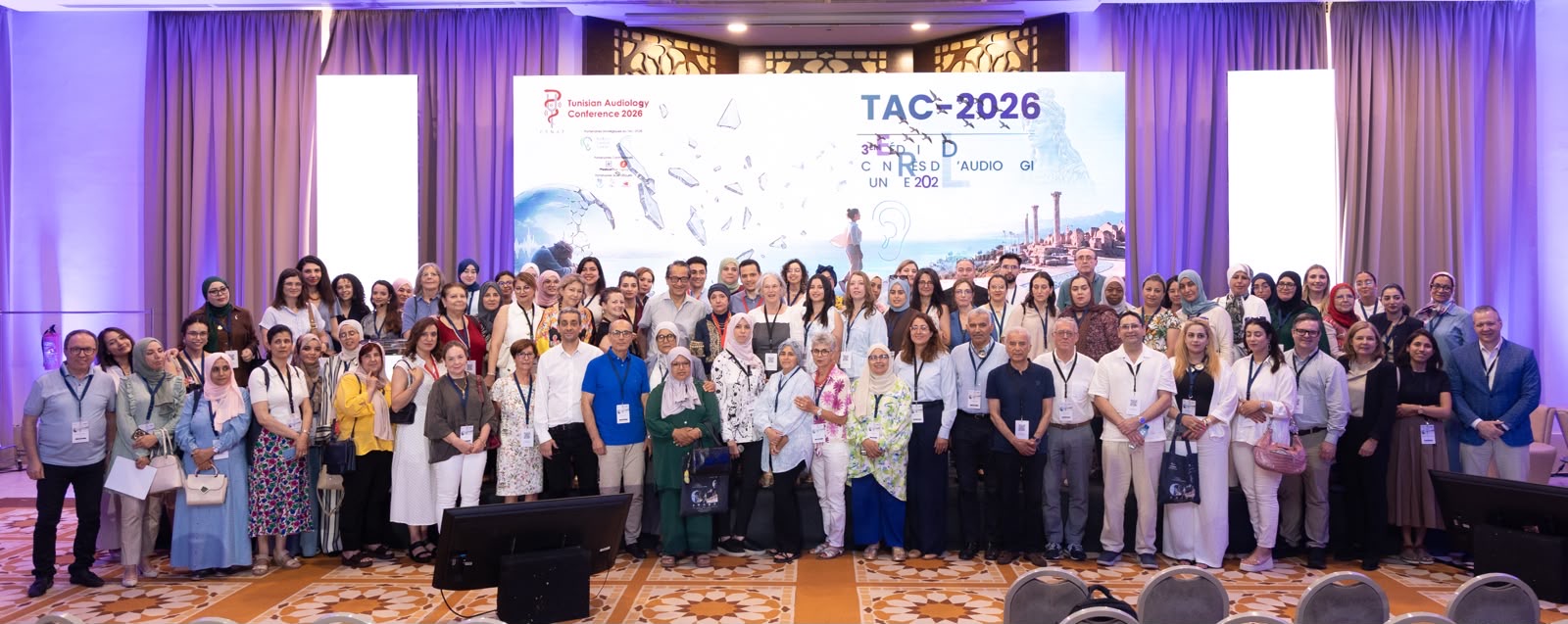
Tinnitus Care in Focus at the Tunisian Audiology Conference – TAC 2026 (Les acouphènes au cœur de la Conférence Tunisienne d’Audiologie)
The third edition of the Tunisian Audiology Conference (TAC 2026) was held in Tunisia from 25 to 27 June 2026, bringing together leading experts, academics, r Read More
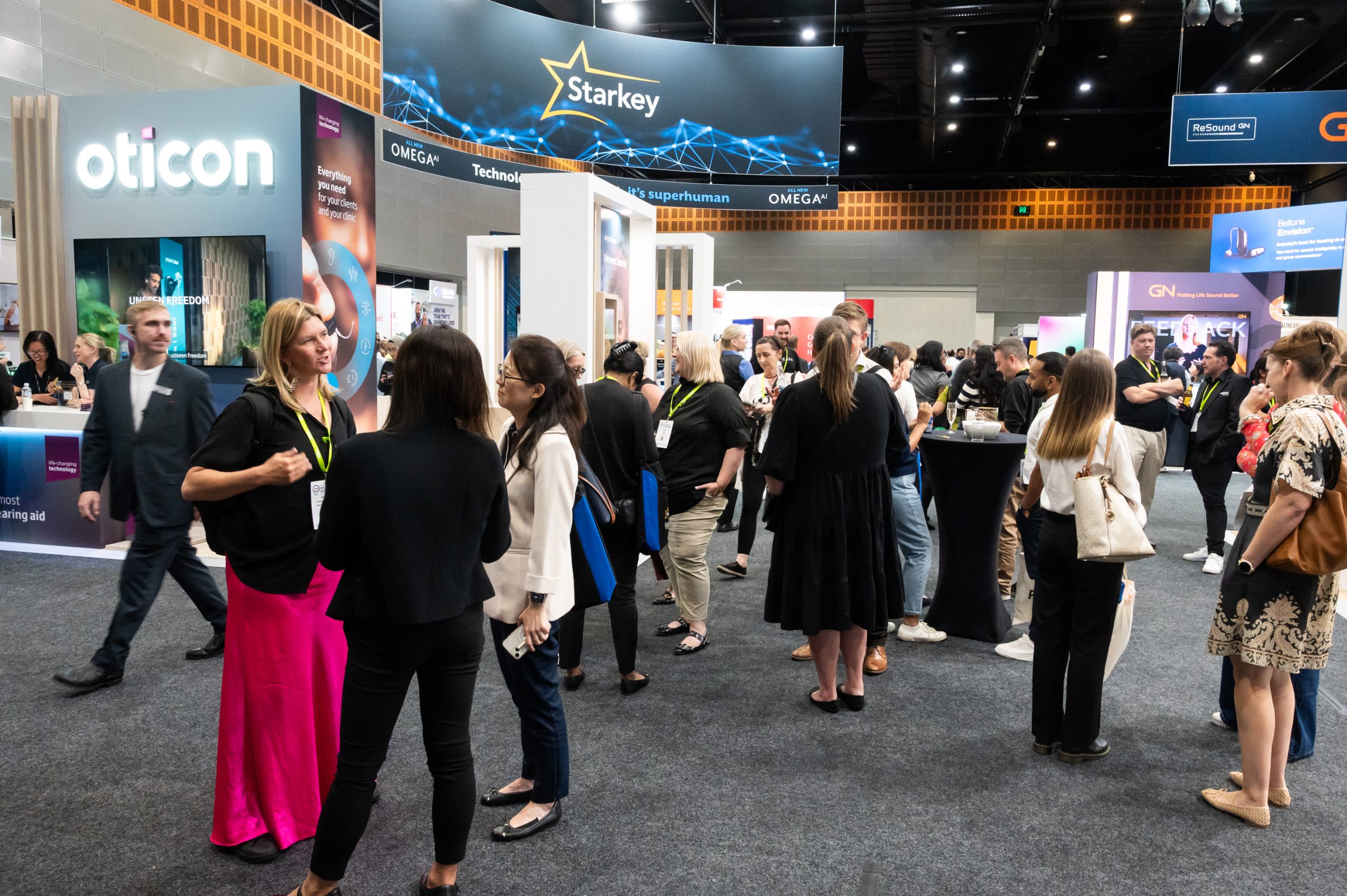
Tinnitus and Sound Intolerance in Focus at ACAud National Congress 2026, Gold Coast, Australia
The Australian College of Audiology incorporating HAASA (ACAud) welcomed hearing healthcare professionals from across Australi Read More