Where Global Tinnitus Research Goes Next
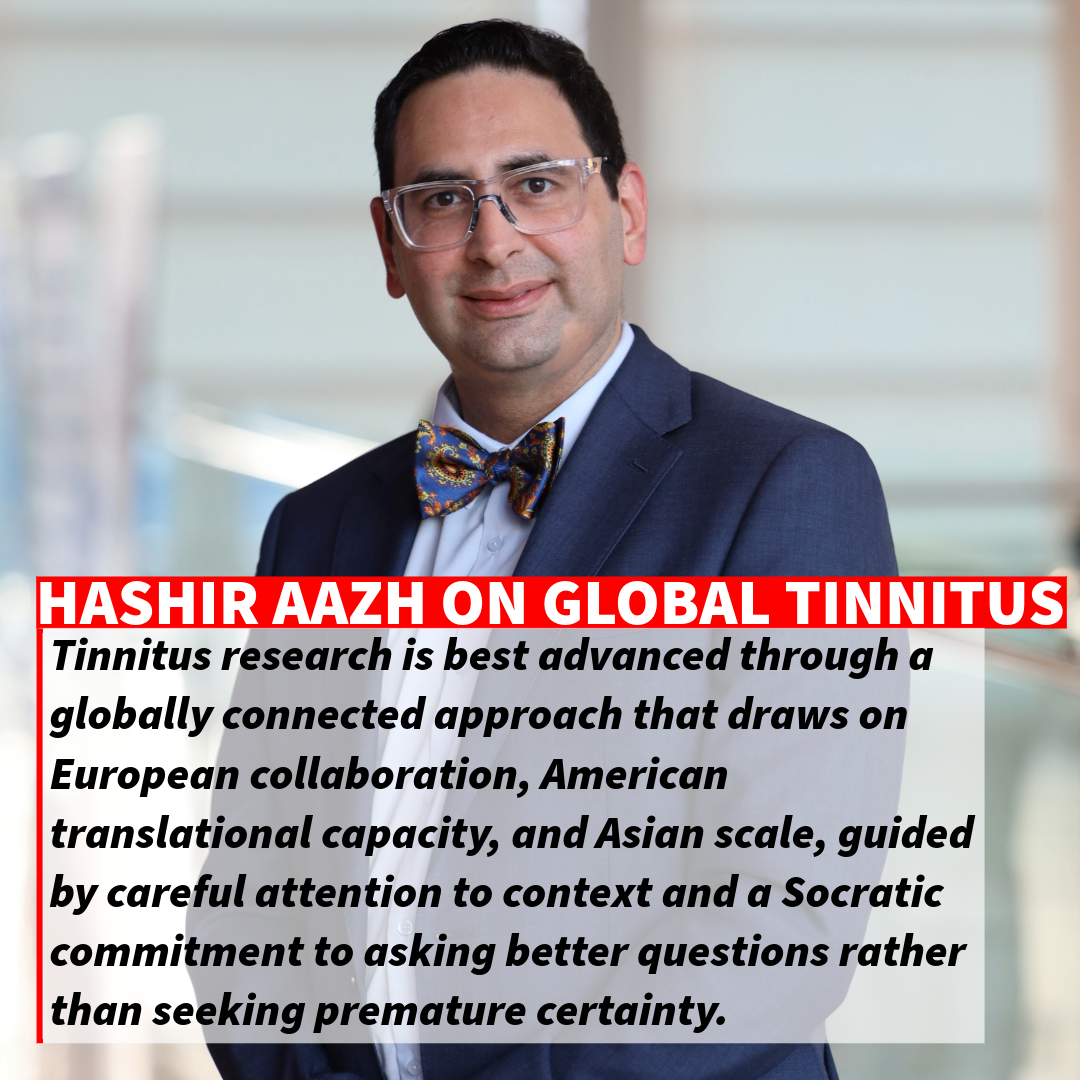
The Annual Tinnitus Report 2026 closes with a reflective assessment of where the field now stands and where it must go next. After reviewing hundreds of studies, expert perspectives, and international developments, a clear picture emerges: tinnitus research has entered a phase of consolidation, confidence, and cautious optimism, but important challenges remain.
One of the most striking developments is the growing coherence of the field. For much of its history, tinnitus research was fragmented across disciplines, with limited dialogue between basic science, clinical practice, and lived experience. The material reviewed in this report shows increasing alignment. Mechanistic models now routinely incorporate psychological, neural, vascular, and somatosensory factors, while clinical research increasingly reflects this multidimensional understanding.
A key shift is the movement away from singular explanations and universal solutions. Tinnitus is no longer framed as a condition awaiting one decisive cure, but as a spectrum of related disorders with diverse mechanisms and trajectories. This recognition supports more realistic goals: stratified diagnosis, personalised intervention, and meaningful reduction in distress and disability rather than eradication of sound alone.
The report also highlights the maturation of evidence-based care. Cognitive behavioural therapy, integrated audiological management, and stepped-care models have moved from contested approaches to central pillars of tinnitus care. Digital delivery, supervision frameworks, and structured training pathways are expanding access while maintaining quality. These developments demonstrate that progress in tinnitus care is achievable even in the absence of a pharmacological cure.
At the same time, the report underscores the continued importance of basic and translational research. Advances in molecular biology, animal models, and neuroscience are refining understanding of synaptic injury, central gain, network dynamics, and neural gating. While translation remains slow, these insights are essential for long-term innovation. Sustained investment in foundational science is therefore presented not as optional, but as a strategic necessity.
International collaboration emerges as another defining strength. Research leadership is no longer concentrated in a single region. Contributions from Asia, Europe, North America, and beyond are shaping complementary research agendas. Conferences, collaborative networks, and shared methodological standards are helping align efforts and accelerate learning across borders.
Importantly, the report does not present progress as linear or inevitable. Persistent challenges include variability in service provision, unequal access to care, methodological inconsistency, and the absence of validated biomarkers for routine clinical use. Addressing these gaps will require coordinated effort, critical reflection, and openness to revising established assumptions.
The closing message is one of responsibility as much as optimism. With growing knowledge comes the obligation to translate evidence into humane, accessible, and effective care. Scientific sophistication must be matched by clinical realism and attention to lived experience. Tinnitus research, the report argues, succeeds not when mechanisms are merely described, but when understanding improves the lives of those affected.
In this sense, the Annual Tinnitus Report 2026 is both a summary and an invitation. It documents how far the field has come, while challenging researchers, clinicians, and organisations to shape what comes next. The future of tinnitus research lies in integration: of disciplines, of perspectives, and of mechanism with meaning.
Citation
Aazh H. Final Words. Annual Tinnitus Report, Volume 1, 2026, pp. 98–99.
Click here to read the PDF of this article
Click on the link below to access the full Annual Tinnitus Report 2026: https://hashirtinnitusclinic.com/news/annual-tinnitus-report/