Tinnitus and Sound Intolerance in Focus at ACAud National Congress 2026, Gold Coast, Australia
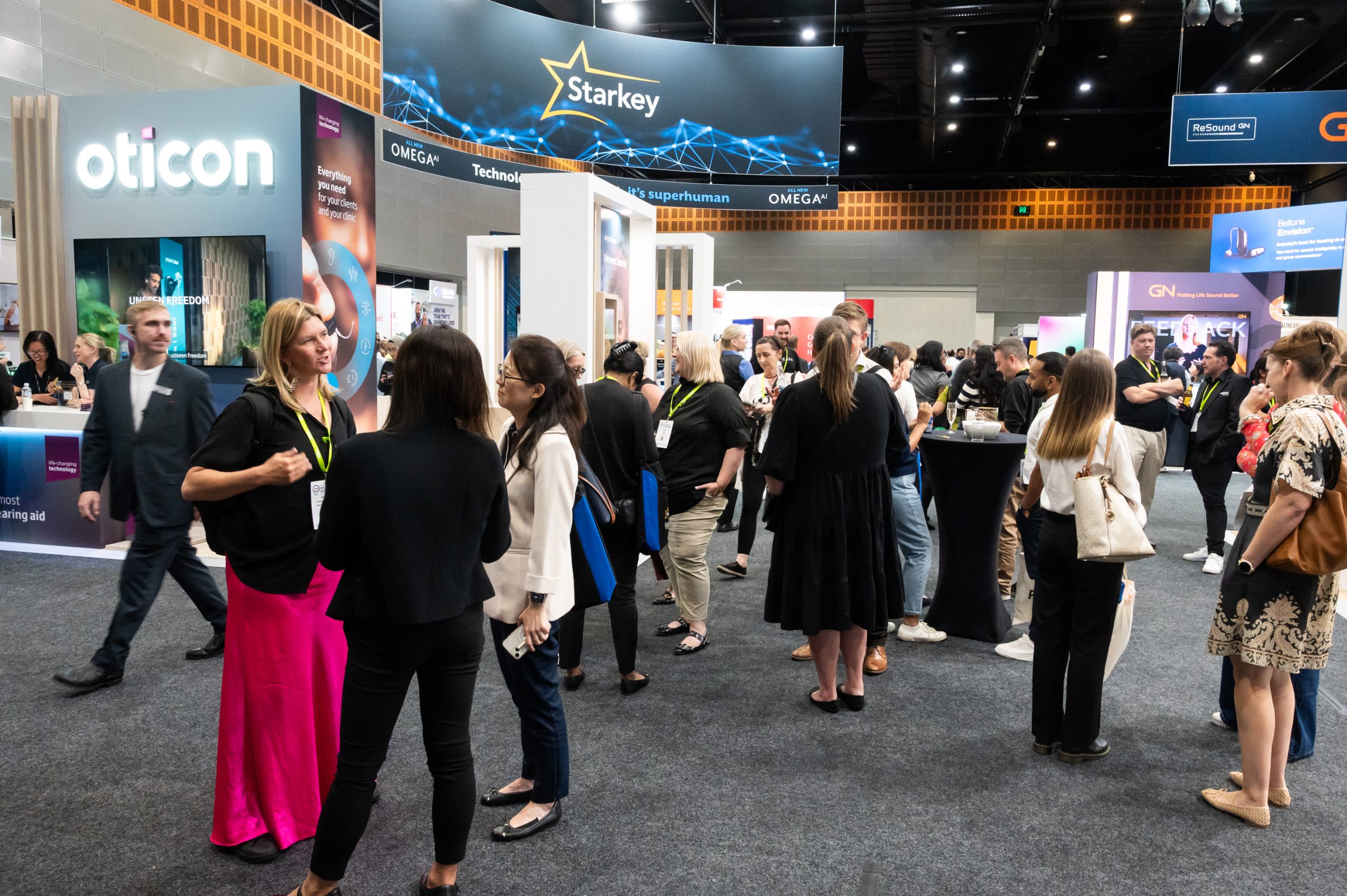
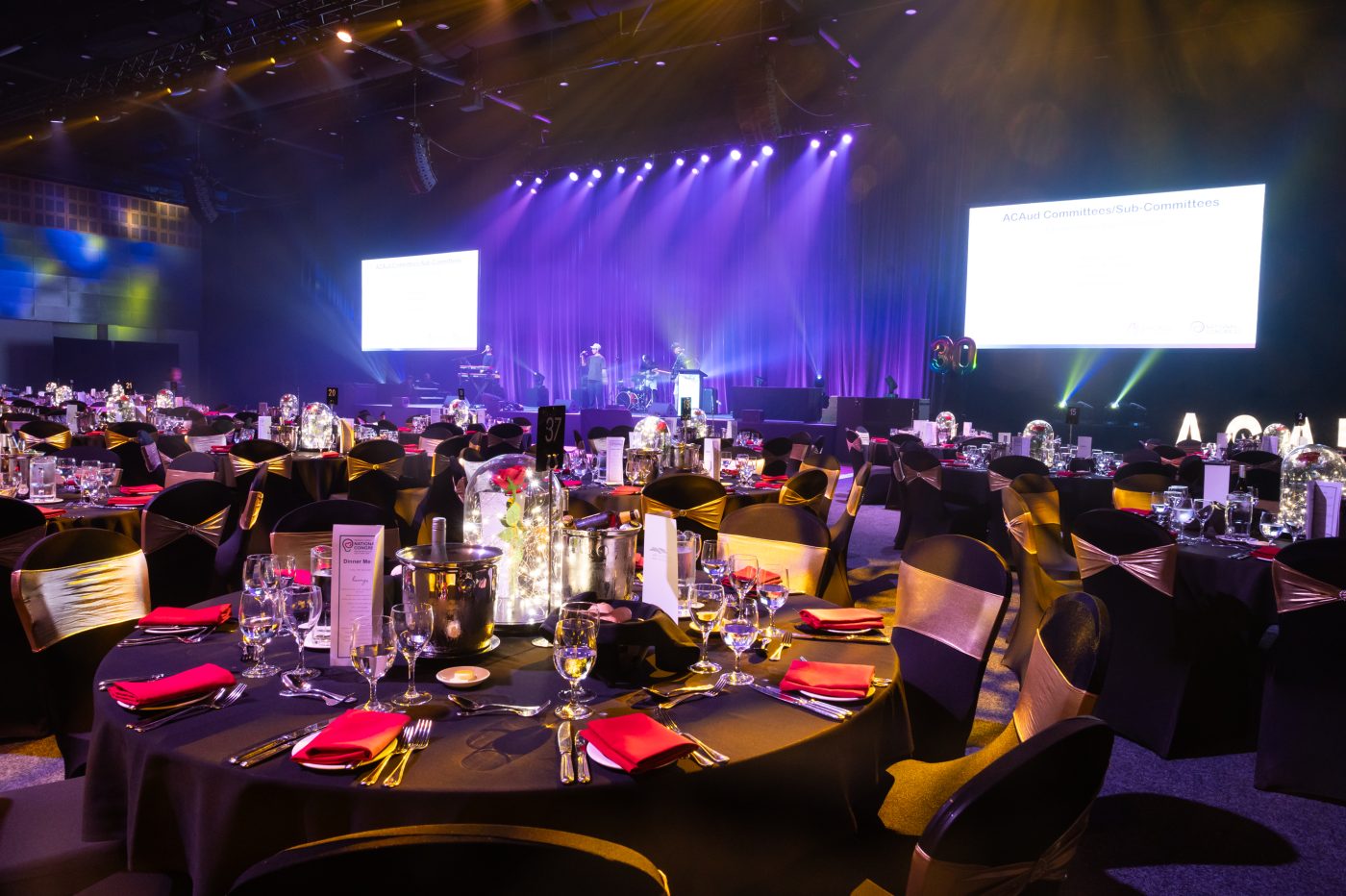
The Australian College of Audiology incorporating HAASA (ACAud) welcomed hearing healthcare professionals from across Australia and internationally to its National Congress, held from 22–24 April 2026 at the Gold Coast Convention and Exhibition Centre in Queensland, Australia.
Under the theme “Hearing Humanity: Where AI Meets the Art of Care – Innovation with Heart,” the Congress explored the rapidly changing landscape of hearing healthcare while reinforcing the importance of human connection, clinical judgement, and person-centred care.
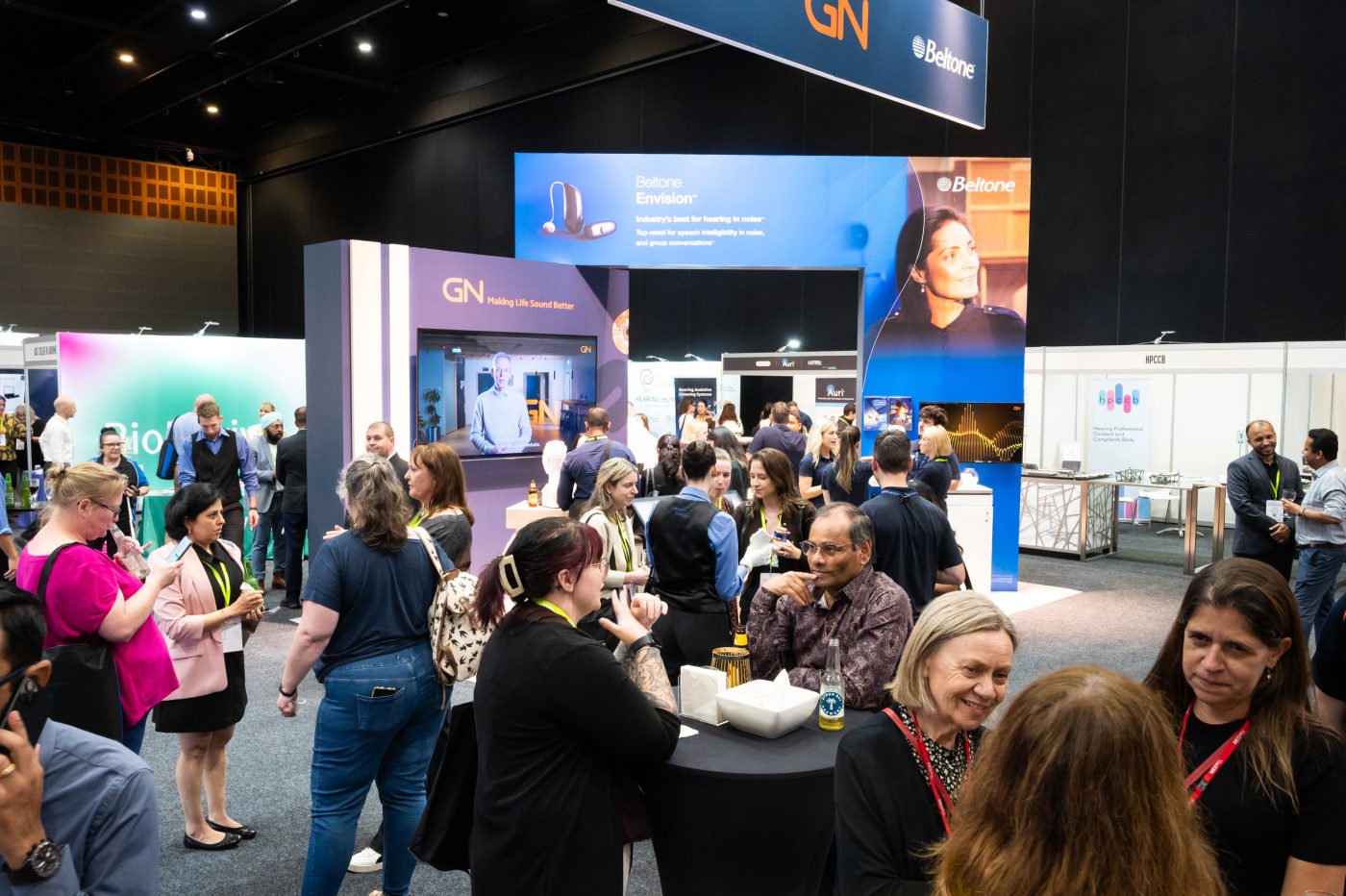
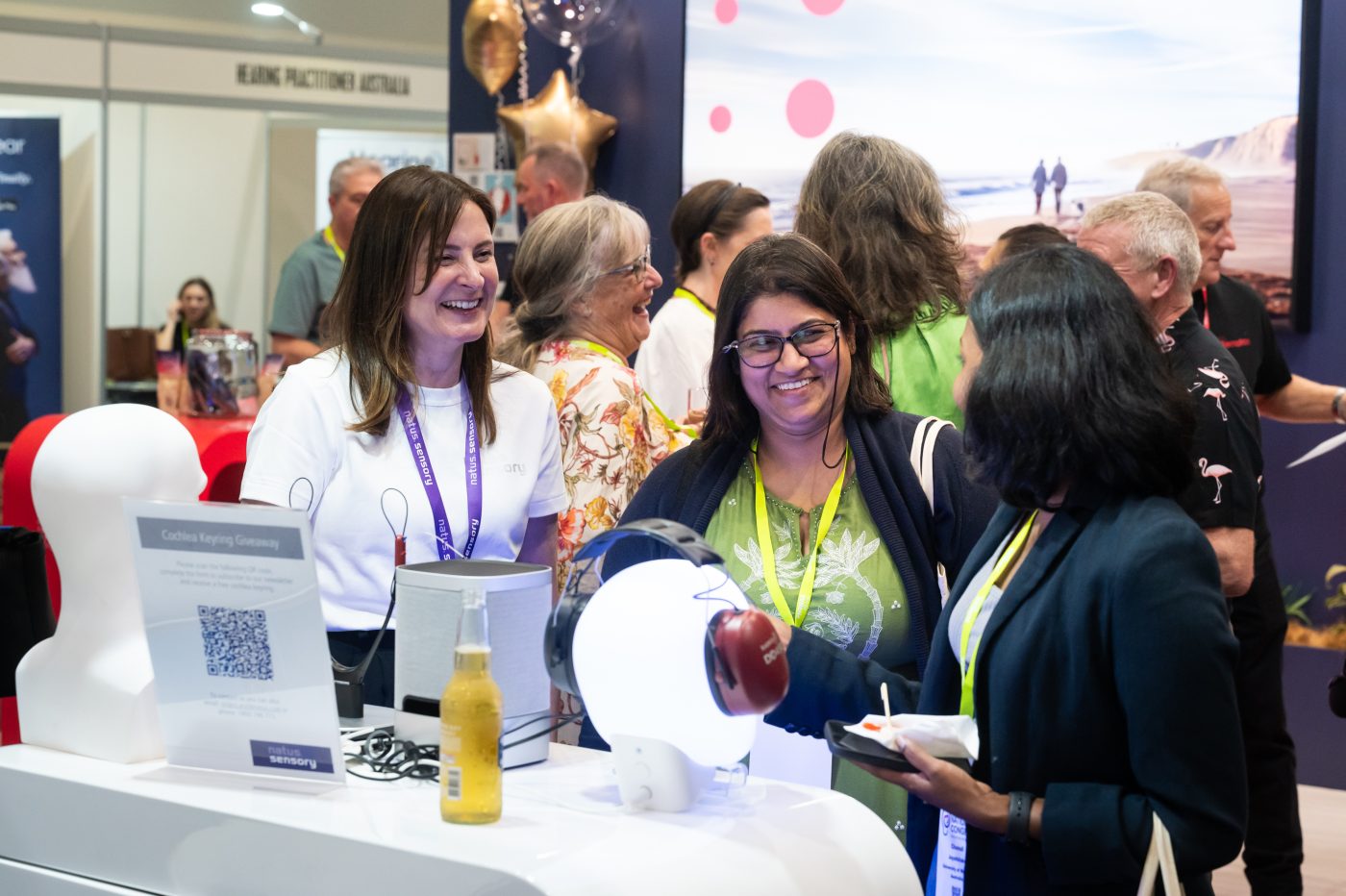
The three-day event attracted a record 962 delegates and brought together audiologists, audiometrists, researchers, educators, industry leaders, and hearing healthcare professionals for a comprehensive programme of keynote presentations, clinical sessions, workshops, professional discussion, and networking.
Tinnitus, Hyperacusis and Misophonia
Tinnitus and sound intolerance were an important part of the scientific programme.
The Congress included a keynote presentation exploring the role of cognitive behavioural therapy (CBT) in the management of tinnitus, hyperacusis, and misophonia. The presentation examined the relationship between auditory perception, thoughts, emotions, and behaviours, as well as the evidence supporting CBT-based approaches to reducing the impact of tinnitus and sound intolerance on patients’ lives.
A particular focus was the opportunity for hearing healthcare professionals to play a greater role in evidence-based rehabilitation, including appropriately structured and guided CBT interventions.
A full-day pre-Congress masterclass on tinnitus and hyperacusis also provided clinicians with practical education in assessment, case formulation, patient education, and therapeutic approaches that can be incorporated into clinical practice.
The strong interest in these sessions reflected a growing recognition within Australian hearing healthcare of the need to build clinicians’ capabilities in supporting people experiencing tinnitus, hyperacusis, misophonia, and other complex hearing-related difficulties.
Innovation with Heart
The broader Congress programme examined many of the major developments shaping the future of hearing healthcare, including artificial intelligence, machine learning and emerging hearing technologies; gene therapy and regenerative approaches to hearing loss; cochlear implantation; auditory processing; cognition and hearing; speech-in-noise assessment; vestibular care; rehabilitation; and new approaches to personalised hearing care.
While technology and innovation featured strongly throughout the Congress, the central message remained clear: advances in technology must ultimately serve the individual receiving care.
Presentations encouraged clinicians to look beyond the audiogram and consider the lived experience of hearing loss, communication difficulties, emotional wellbeing, listening effort, and the individual goals of every person seeking hearing healthcare.
A Growing International Conversation
ACAud National Congress 2026 provided an opportunity for Australian clinicians to engage directly with leading international and national researchers, clinicians, and educators, while sharing ideas about the future direction of hearing healthcare.
For ACAud, the Congress reinforced the importance of bringing research and clinical practice together and creating opportunities for clinicians to develop practical skills that can be translated into better outcomes for the people and communities they serve.
The prominent inclusion of tinnitus, hyperacusis, and misophonia within the Congress programme reflected the growing importance of these conditions within contemporary hearing healthcare.
As awareness and understanding of these conditions continue to grow internationally, ACAud looks forward to maintaining strong connections with colleagues working to advance evidence-based tinnitus and sound intolerance care around the world.