Experts Gather in Chengdu to Advance Integrated Chinese and Western Medicine for Tinnitus
Experts Gather in Chengdu to Advance Integrated Chinese and Western Medicine for Tinnitus
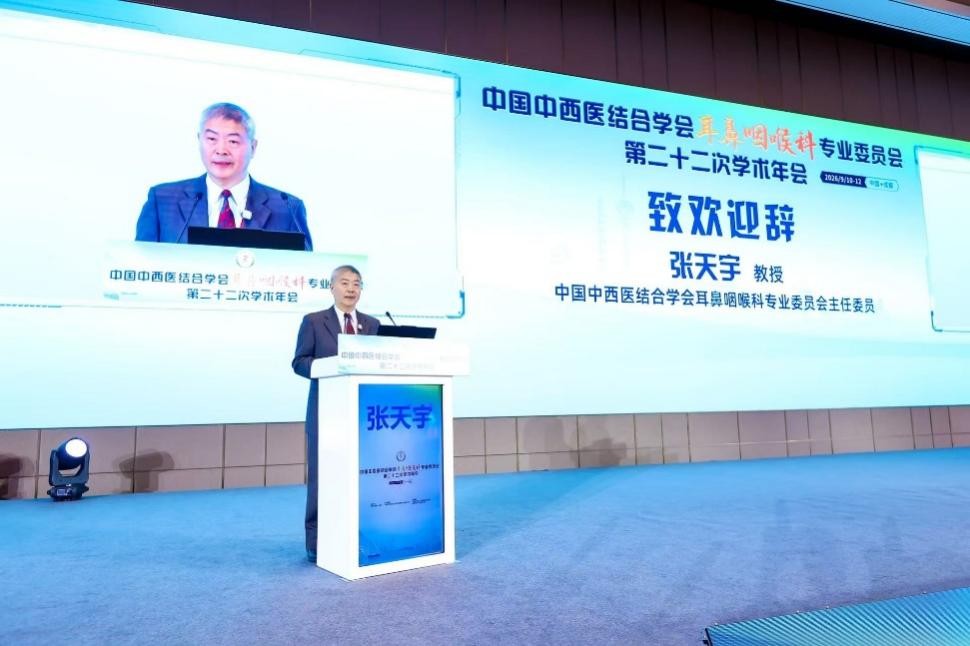
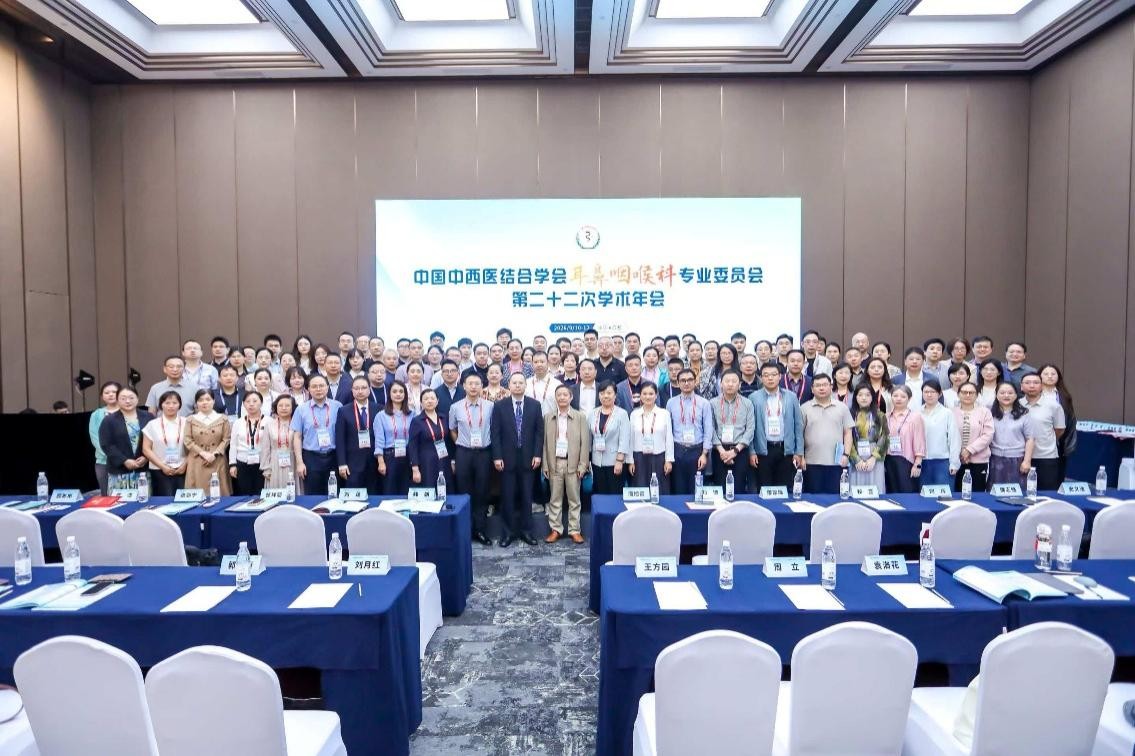
On 11–12 September 2026, the 22nd Annual Academic Meeting of the Otolaryngology Committee of the Chinese Association of Integrative Medicine was held in Chengdu, China.
The Tinnitus Expert Committee subforum featured several important developments, including the presentation of a new diagnostic framework integrating Chinese and Western medicine for tinnitus, the launch of an initiative to develop clinical practice guidelines, and the election of the third-term Tinnitus Expert Committee. The programme also included scientific presentations, clinical case discussions, and expert roundtables.
01 | A New Framework: A Roadmap for Tinnitus Diagnosis
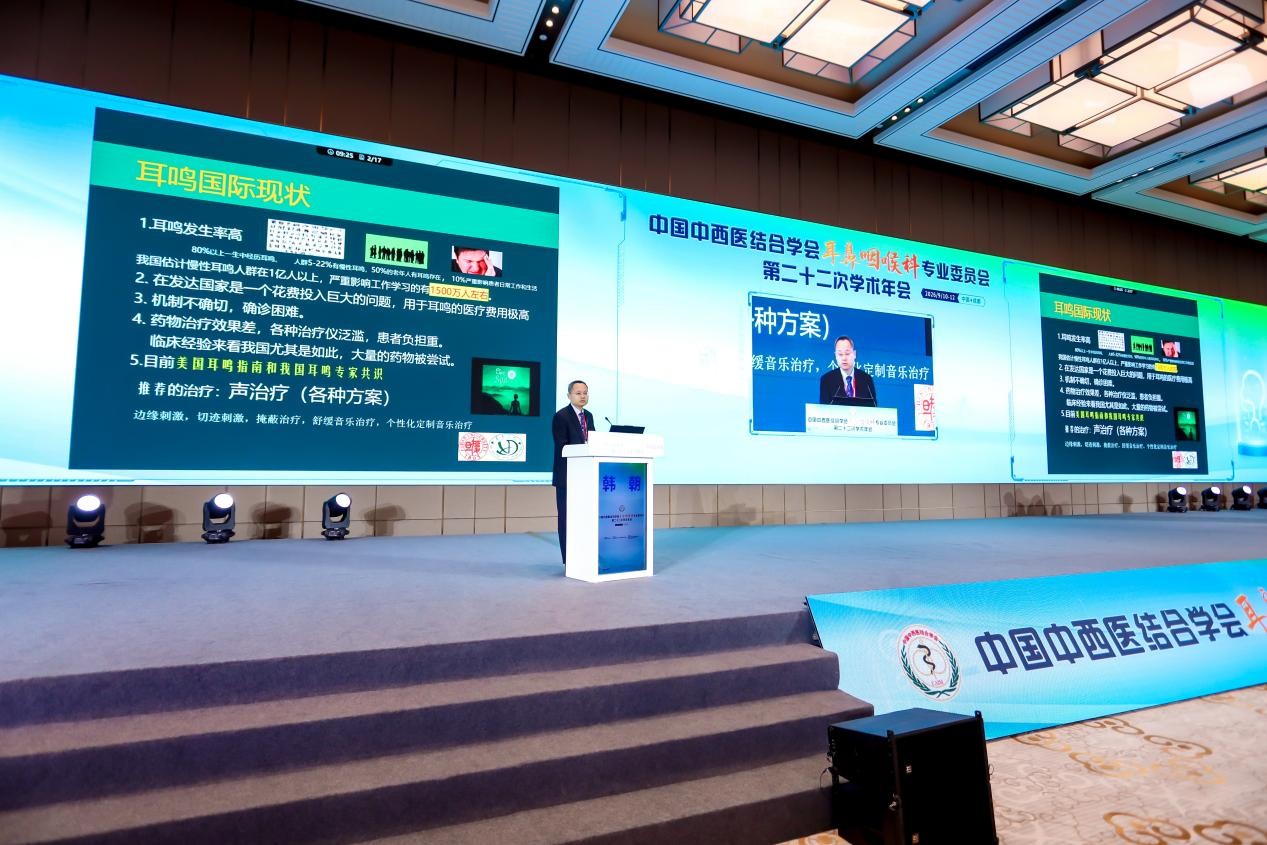
Tinnitus is one of the most common complaints encountered in otolaryngology practice. Its diagnosis can be complicated by broad definitions, differing classification criteria, and uncertainty regarding underlying causes. Although patients may share the same label of “tinnitus,” their clinical presentations, possible causes, and management needs can differ considerably.
At the meeting, Professor Han Chao, Vice Chair of the Otolaryngology Committee, presented “Establishing an Integrated Chinese and Western Medicine Diagnostic Framework for Tinnitus.” Drawing on clinical practice at the Center for Tinnitus and Hearing Loss in Older Adults at Huadong Hospital, Fudan University, he outlined a structured diagnostic approach based on three areas:
- Definition: distinguishing tinnitus in the narrow sense from tinnitus in the broad sense to clarify what is being diagnosed.
- Etiological classification: investigating three principal categories of potential causes—hearing loss-related, middle ear muscle-related, and vascular.
- Clinical stratification: considering management across three categories—new-onset tinnitus, a tinnitus state, and tinnitus disorder.
Professor Han emphasised the importance of addressing practical clinical needs while developing common terminology that could support future guideline development and multicentre research. The proposed framework represents an effort towards greater standardisation and precision in tinnitus diagnosis and management.
02 | A New Beginning: Developing Clinical Practice Guidelines
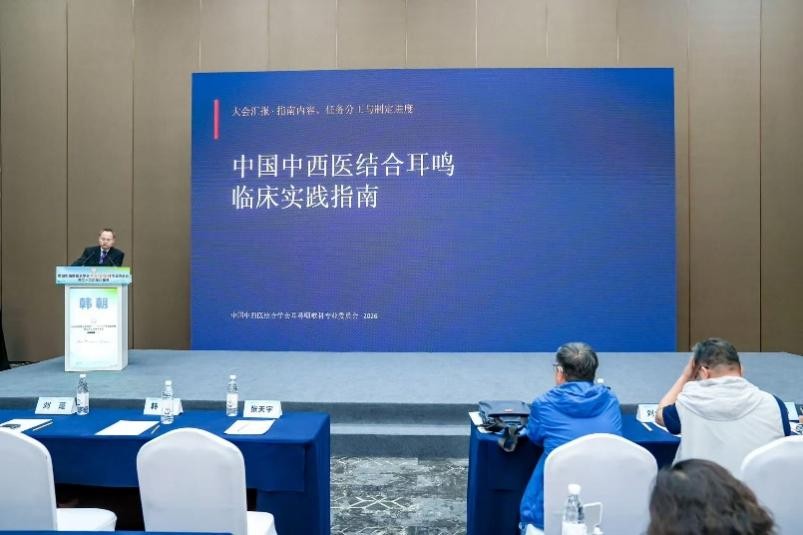
On the evening of 11 September, a meeting was held to formally initiate the development of clinical practice guidelines for tinnitus using integrated Chinese and Western medicine.
Chaired by Professor Han Chao, the meeting brought together more than 50 experts, including Zhang Tianyu, Tang Youfa, Tang Xuxia, Zeng Xiangli, Zhang Jianning, and Kang Houyong.
Participants discussed how the guidelines could incorporate the evidence base of Western medicine alongside traditional Chinese medicine approaches to pattern differentiation and treatment. Responsibilities and timelines were established for the different working groups, formally beginning the guideline development process.
03 | A New Term: Election of the Third-Term Tinnitus Expert Committee
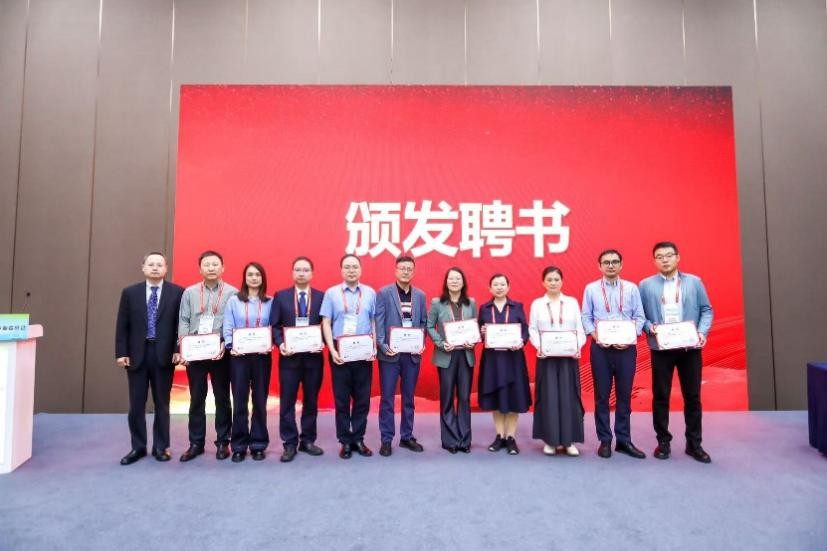
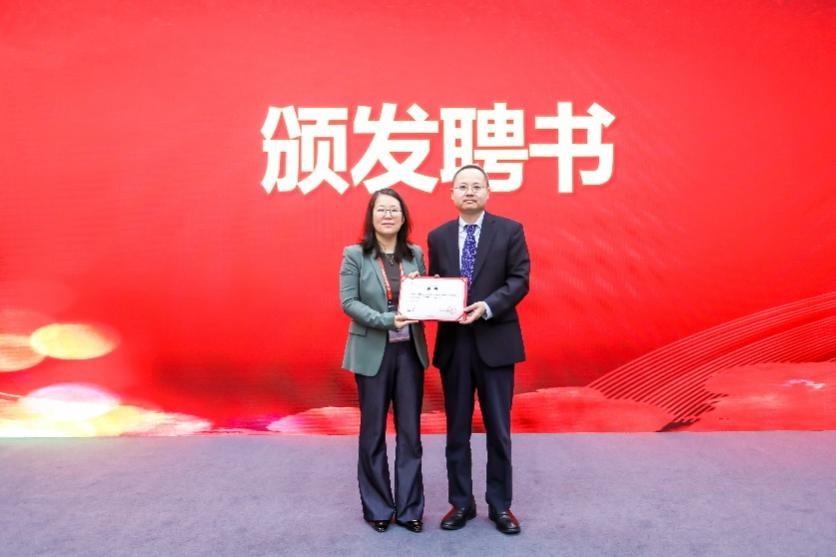
On the morning of 12 September, the inauguration ceremony for the third-term Tinnitus Expert Committee was held. Liu Yuehong presided over the ceremony, and Professor Tang Xuxia, Vice Chair of the ninth-term Otolaryngology Committee of the Chinese Association of Integrative Medicine, delivered an address.
Following an in-person vote by committee members, the following appointments were confirmed:
- Chair: Professor Han Chao
- Vice Chairs: Tang Xuxia, Zeng Xiangli, Zhang Jianning, Kang Houyong, Liu Hui, Chen Pei, Zheng Yun, Xiong Binbin, Hou Zhiqiang, Cai Xinzhang, and Shi Wendi
- Advisors: Liu Peng, Liu Bo, and Liu Yehai
- Secretaries: Liu Yuehong and Zhou Jing
In his inaugural address, Professor Han Chao expressed his intention to work with committee members to advance clinical consistency, standardisation, and international collaboration in the diagnosis and management of tinnitus using integrated Chinese and Western medicine.
04 | New Perspectives: Expert Roundtable and Clinical Cases
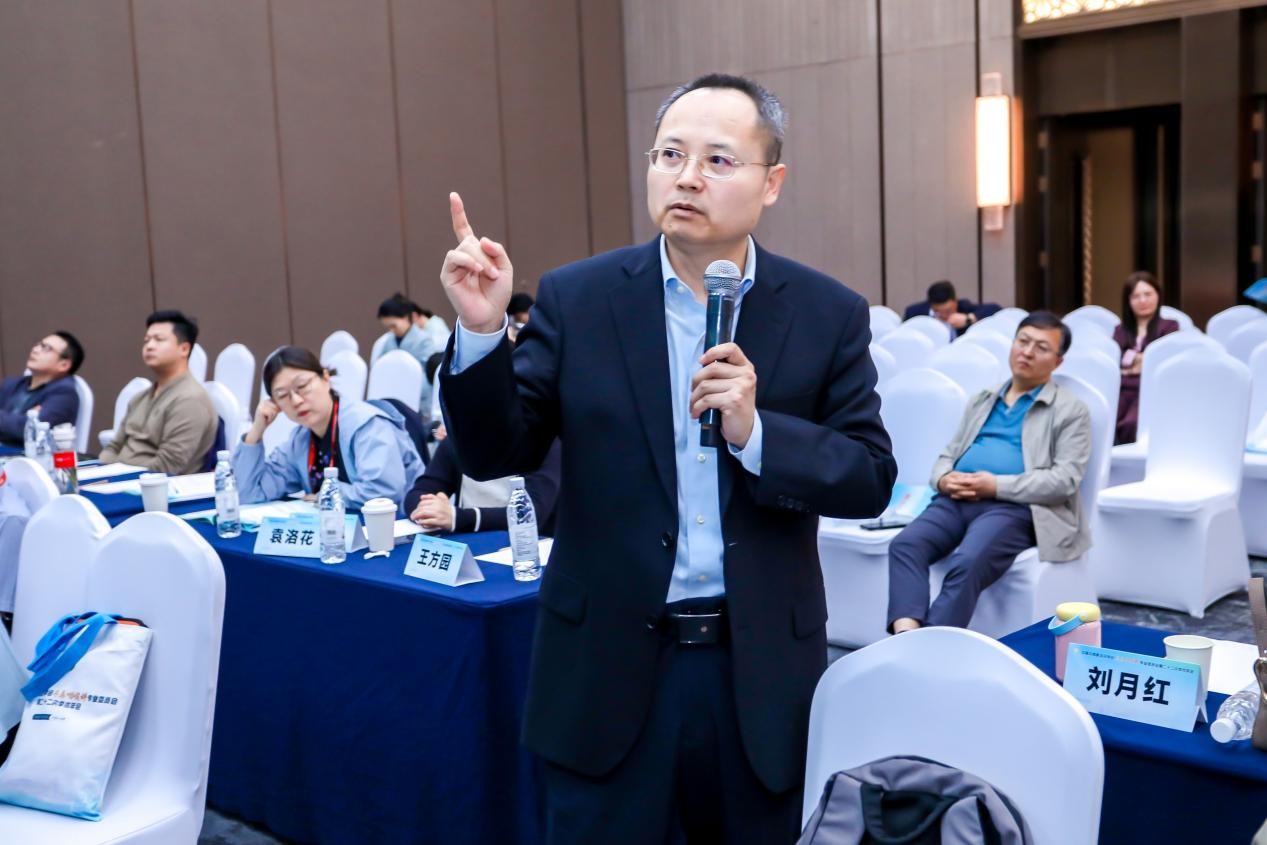
Professor Han Chao chaired a roundtable discussion on “The Definition of Tinnitus and the Rationale for New Clinical and Etiological Classifications.”
Experts discussed the clinical applicability of the proposed classification criteria, diagnostic boundaries, and implications for treatment. Particular attention was given to how clinical stratification and etiological classification might support more individualised approaches to tinnitus management.
Professor Liu Yuehong subsequently chaired a discussion of challenging tinnitus cases. Two complex cases were presented and examined in depth, generating further discussion among participating experts.
05 | New Developments: Advances Across Three Key Areas
The scientific programme focused on three broad areas: mechanistic research, advances in treatment, and integrated Chinese and Western medicine approaches to tinnitus diagnosis and management.
In mechanistic research, Sun Jiaqiang, Zeng Xiangli, Jin Yulian, and other experts presented work relating to neural rhythms in tinnitus, cognitive function, lifestyle interventions, prediction of tinnitus outcomes, transcriptomic mechanisms, and sound sensitivity.
In treatment research, presentations explored a range of emerging approaches and technologies, including neuromodulation, surgery for vascular tinnitus associated with sigmoid sinus diverticulum, ultra-high-frequency audiometry, prediction of response to music therapy, and T-MIST sound therapy.
The programme on integrated Chinese and Western medicine included presentations on combined acupoint therapies, acupuncture with acoustic stimulation, injections at the Yifeng acupoint, traditional Chinese medicine five-tone meridian therapy, auricular vagus nerve electrical stimulation, and combined approaches for hearing loss and tinnitus.
Looking Ahead
The two-day meeting brought together committee elections, the launch of a clinical guideline initiative, scientific presentations, expert discussions, and challenging clinical cases. It provided an important forum for examining how Chinese and Western medical approaches to tinnitus might be integrated within more structured systems of diagnosis and management.
The newly elected Tinnitus Expert Committee will continue working with colleagues across China on the development of clinical practice guidelines and greater standardisation of tinnitus care, while seeking opportunities for wider international exchange and collaboration.
WTC/ITS London 2027 welcomes these developments and looks forward to strengthening scientific and clinical exchange with the tinnitus community in China.