Visiting London
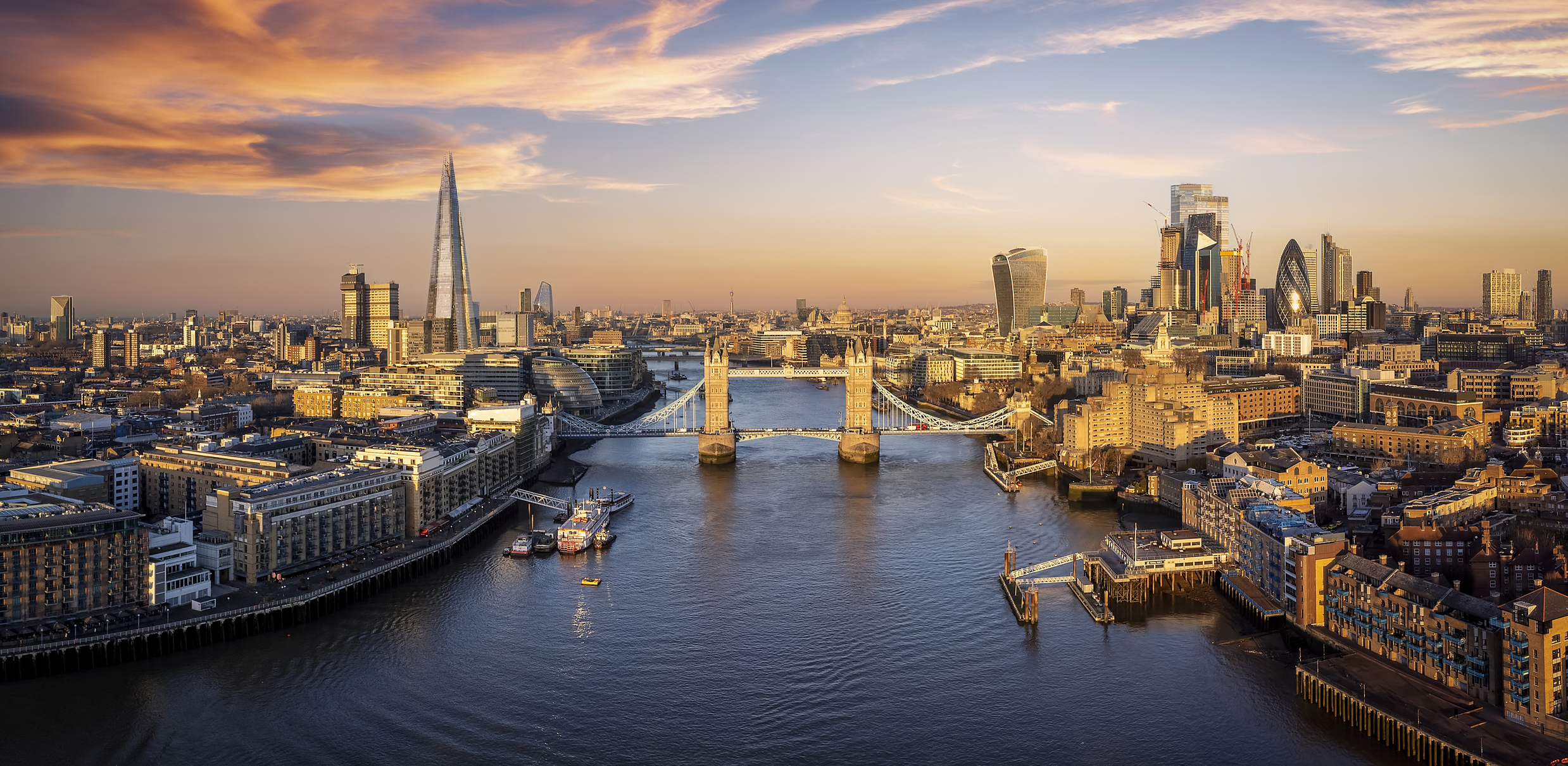
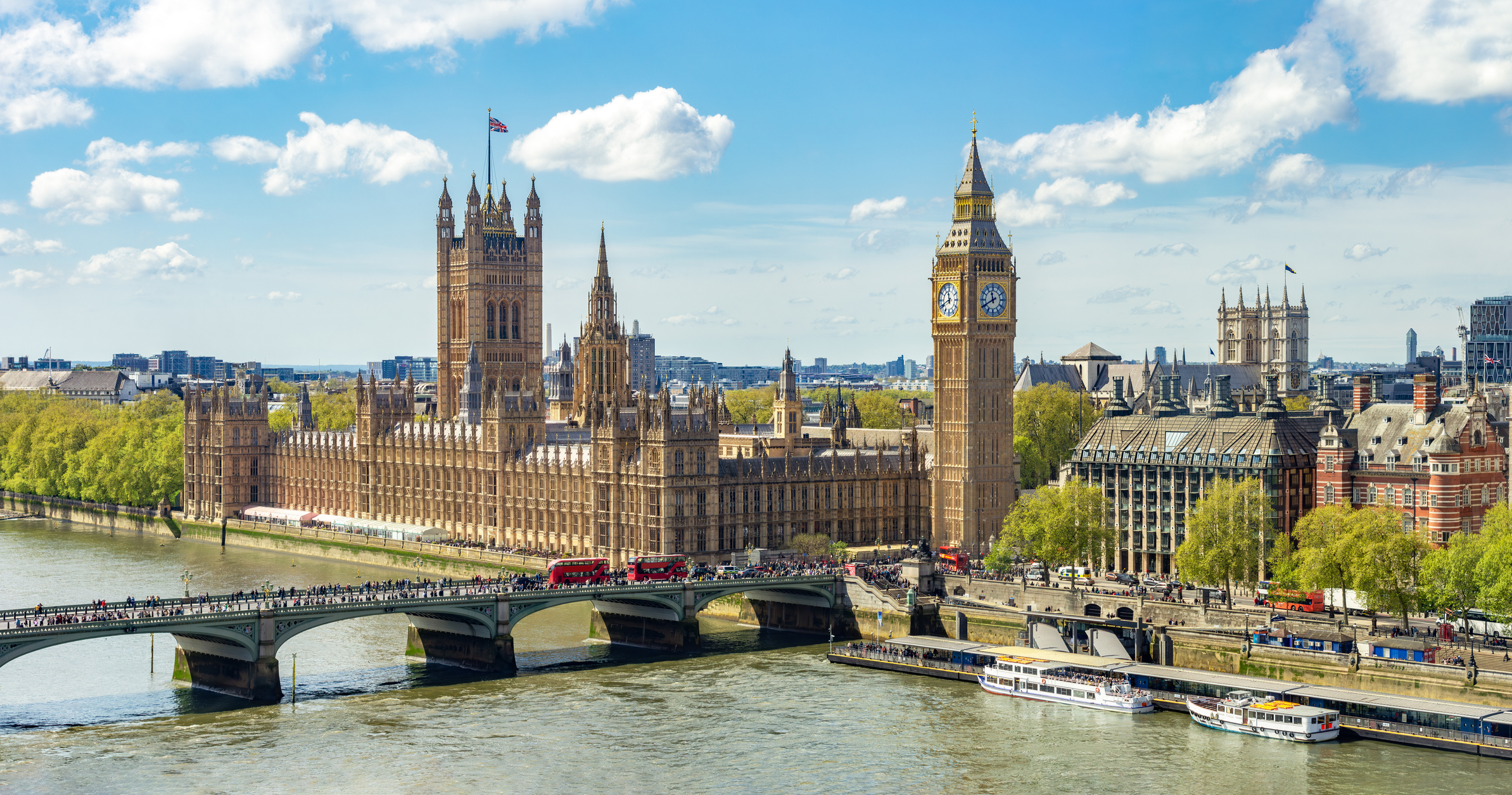
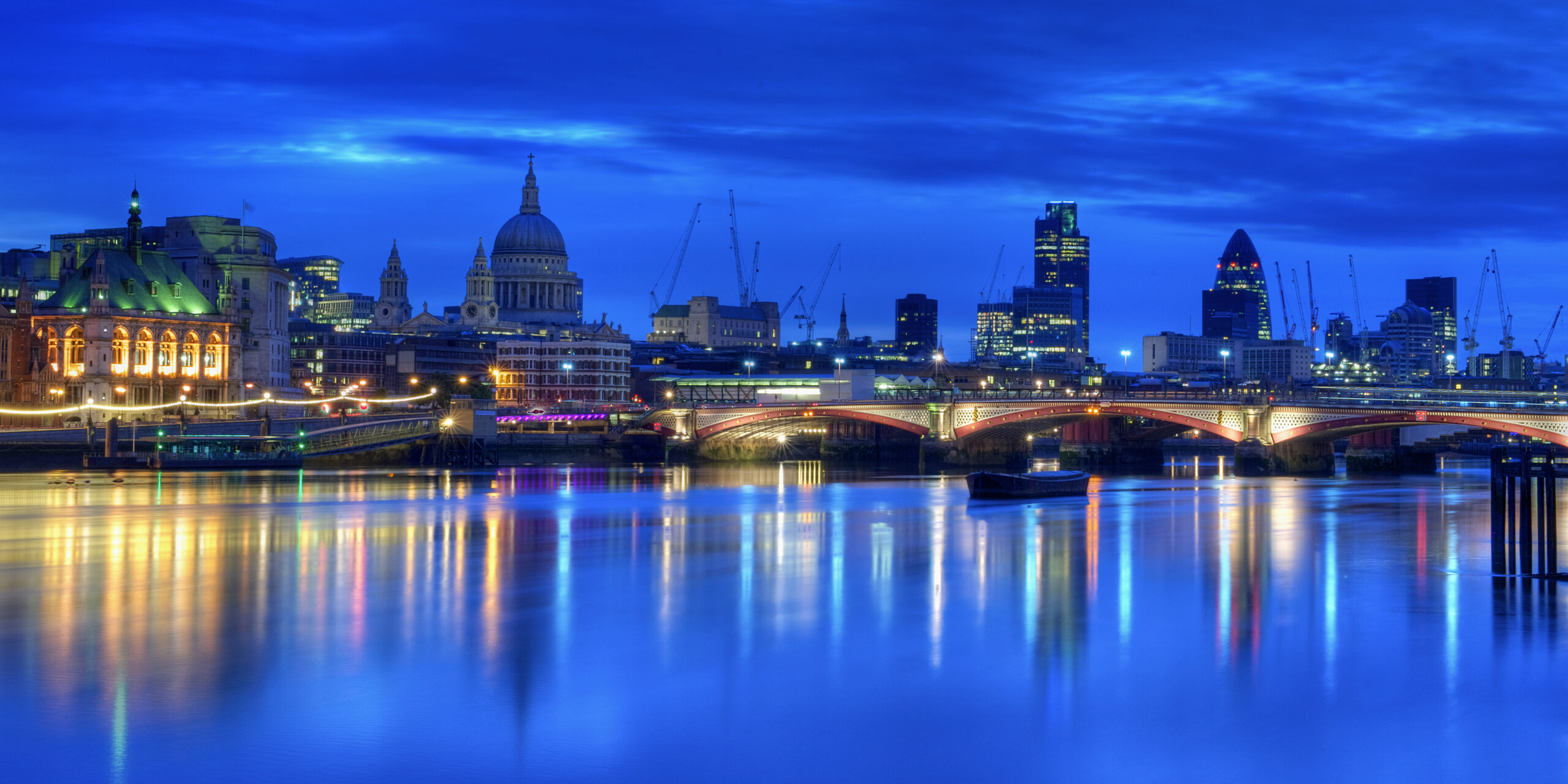
WTC/ITS 2027 will take place in Bloomsbury, in the heart of central London, providing delegates with an excellent opportunity to explore the city during their stay.
London offers world-renowned museums and galleries, historic landmarks, parks, shopping, theatre, restaurants and cultural attractions. The conference venue is particularly well located for exploring central London, with many attractions accessible on foot or by a short journey on public transport.
For inspiration and up-to-date information about things to see and do in London:
Time Out London – 101 Things to Do in London
https://www.timeout.com/london/things-to-do/101-things-to-do-in-london
Visit London – Official Visitor Guide
https://www.visitlondon.com/
Discover Bloomsbury
Bloomsbury is one of London’s most historic literary, scientific and intellectual districts, with a remarkable history of writers, scientists, philosophers, economists and artists living, working and exchanging ideas in the area.
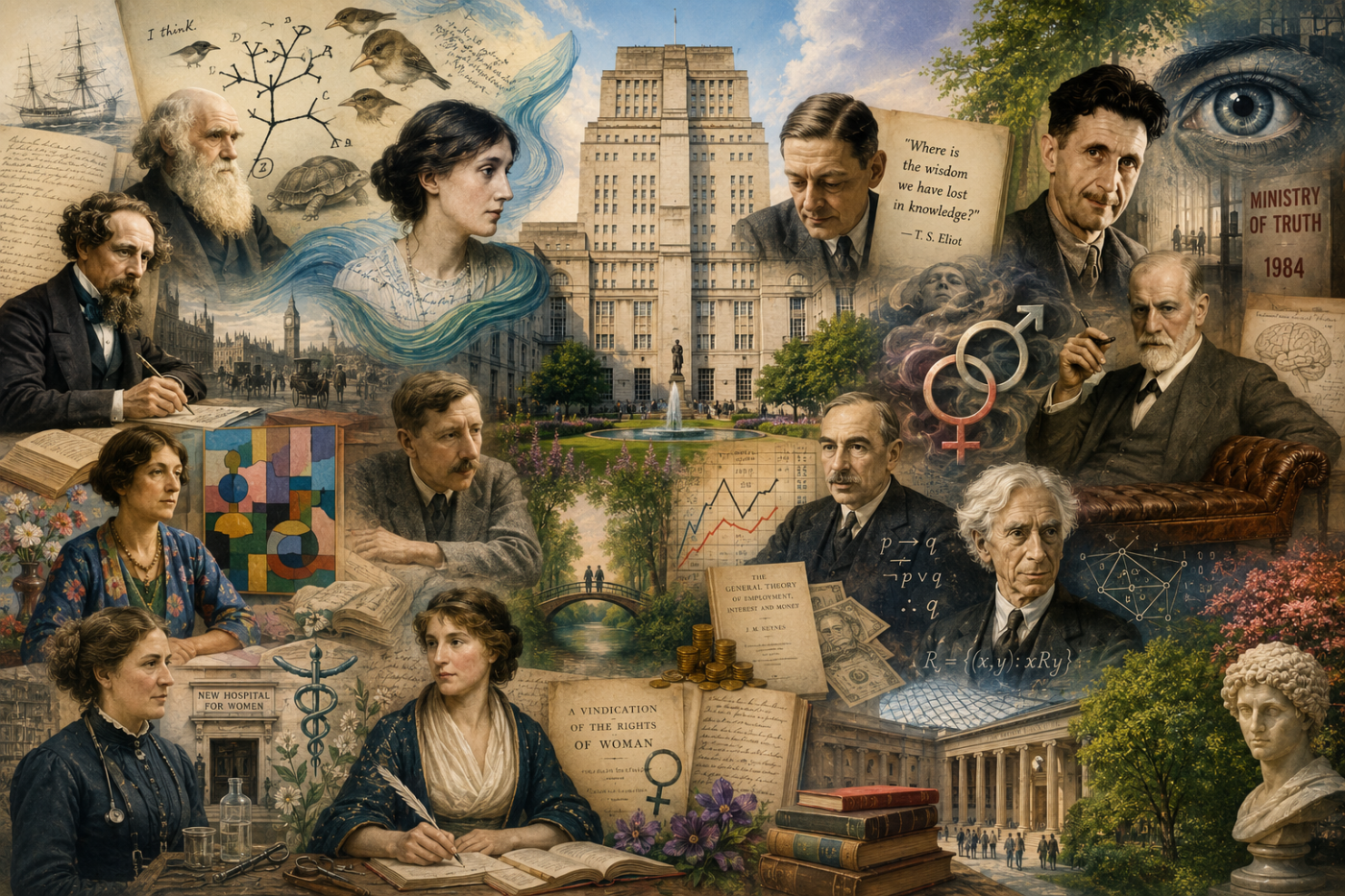
Bloomsbury gave its name to the celebrated Bloomsbury Group, a circle of writers, artists and intellectuals that included Virginia Woolf, Vanessa Bell, E. M. Forster and John Maynard Keynes, and which had a significant influence on twentieth-century literature, art and cultural thought.
Other influential figures associated with Bloomsbury include Charles Darwin, Charles Dickens and Bertrand Russell. The area also has a particularly interesting connection with the conference venue: T. S. Eliot taught English at Birkbeck for a short period in 1915.
Nearby University of London Senate House is one of Bloomsbury’s most distinctive landmarks. During the Second World War, the building was used by the Ministry of Information and subsequently became associated with George Orwell’s Ministry of Truth in his novel Nineteen Eighty-Four.
Today, Bloomsbury remains an important centre of academic and cultural life. It is home to the University of London, Birkbeck, UCL and the British Museum, alongside historic squares and gardens, bookshops, museums and numerous cultural institutions.
University of London – History of Senate House
https://www.london.ac.uk/about/history/history-senate-house
Explore London from the Conference Venue
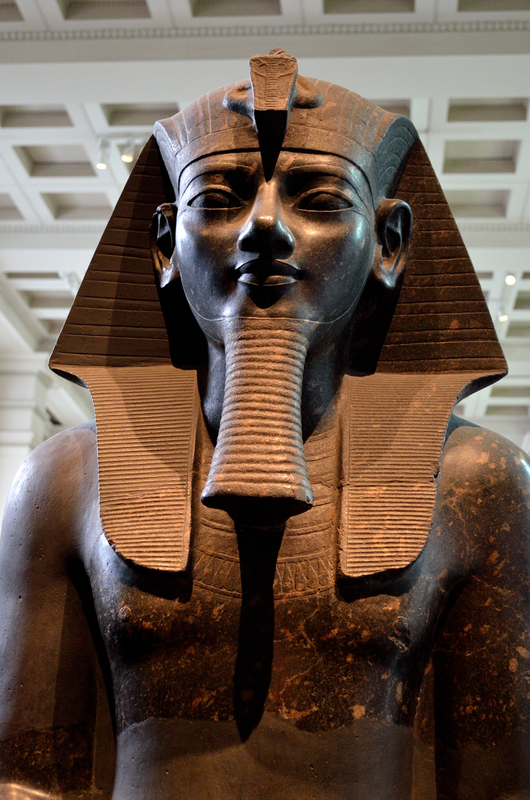
British Museum
Approximately 2–5 minutes’ walk
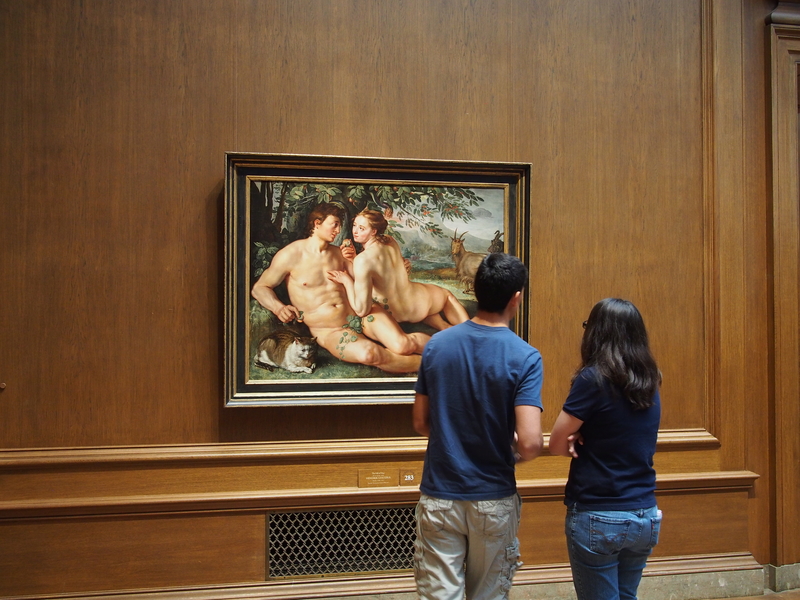
The National Gallery & Trafalgar Square
Approximately 20–25 minutes’ walk
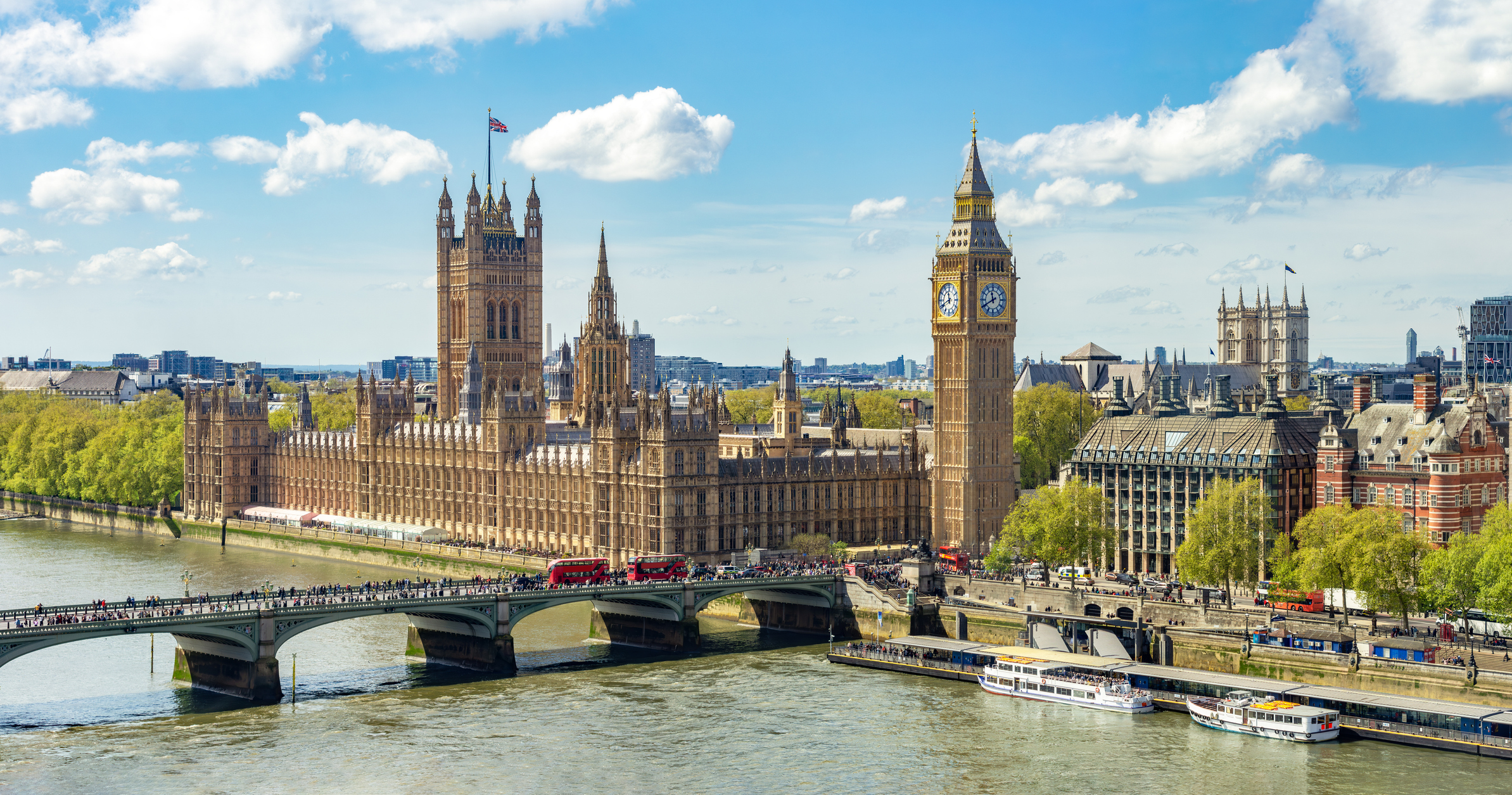
Westminster & Big Ben
Approximately 25–30 minutes by public transport
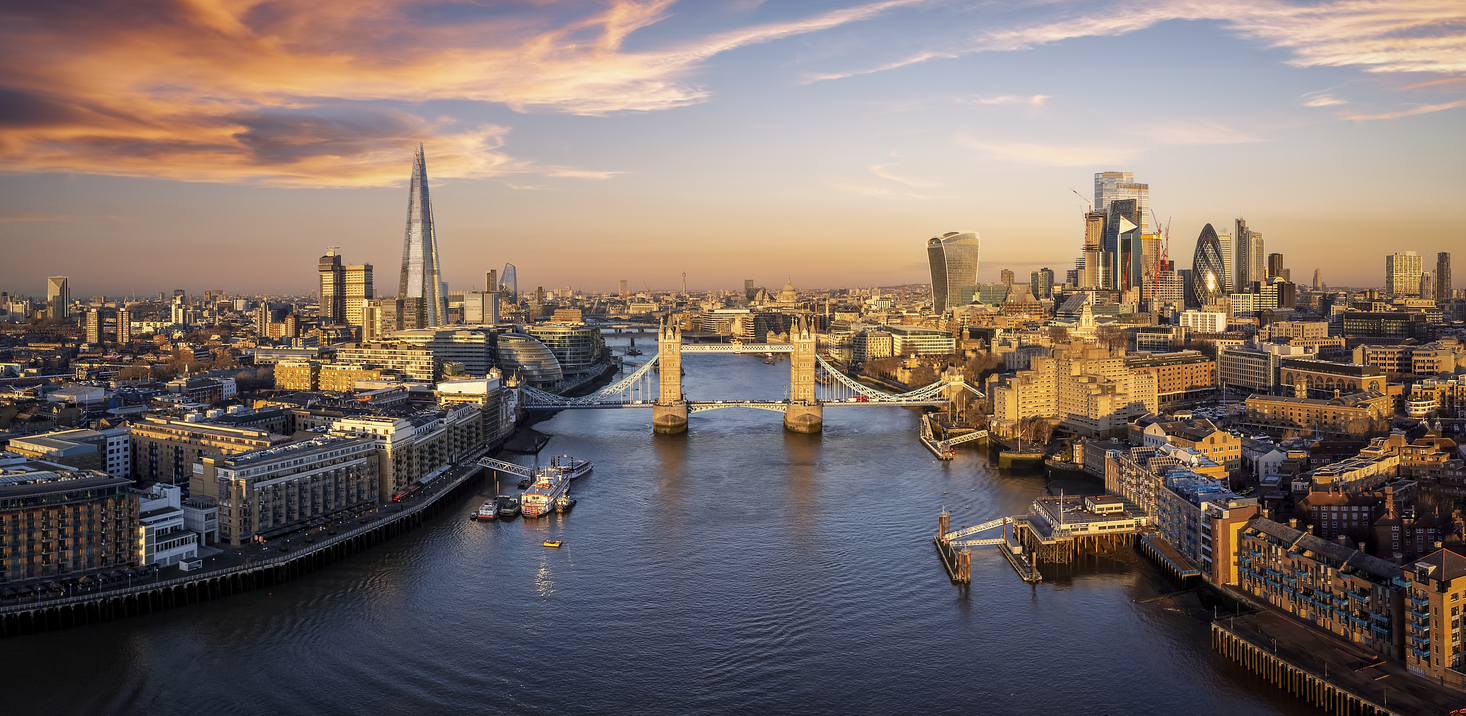
London Bridge
14 minutes drive
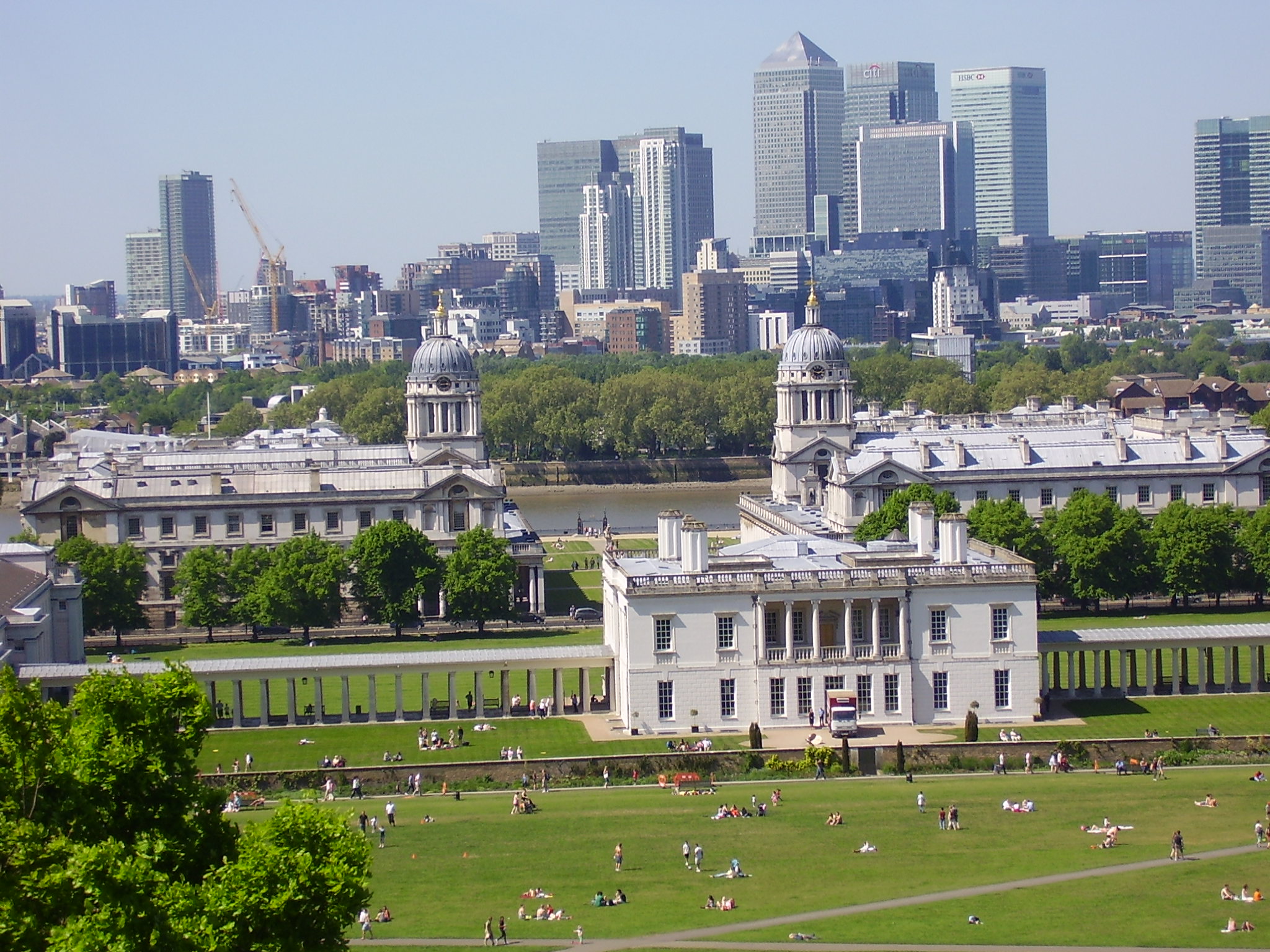
Greenwich
Approximately 40–50 minutes by public transport
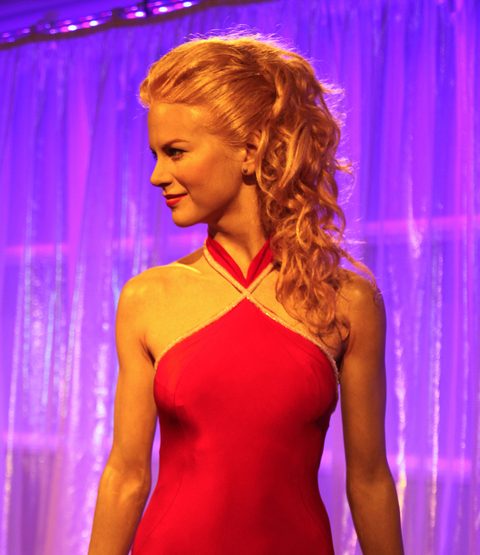
Madame Tussauds
Approximately 20–25 minutes by public transport
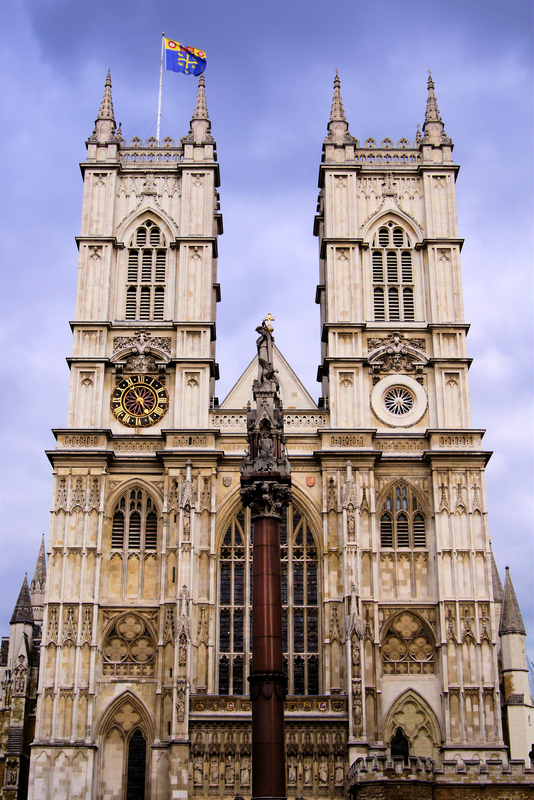
Westminster Abbey
Approximately 25–30 minutes by public transport
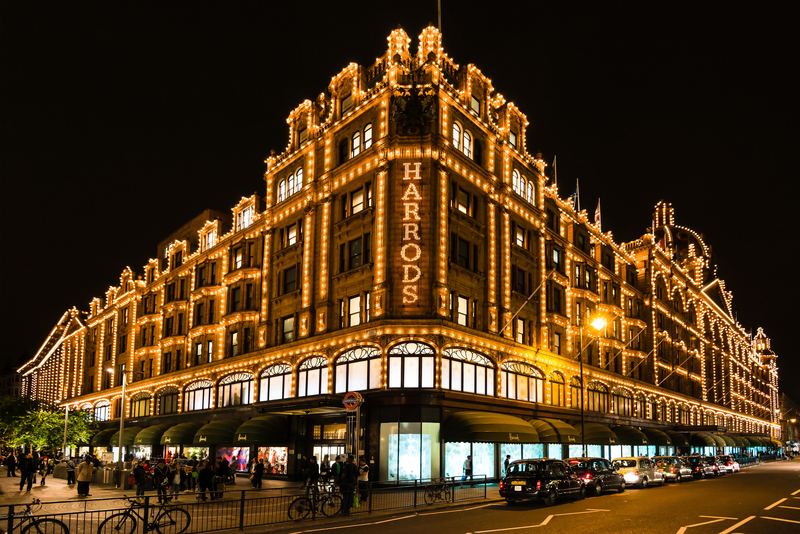
Harrods & Knightsbridge
Approximately 25–30 minutes by public transport
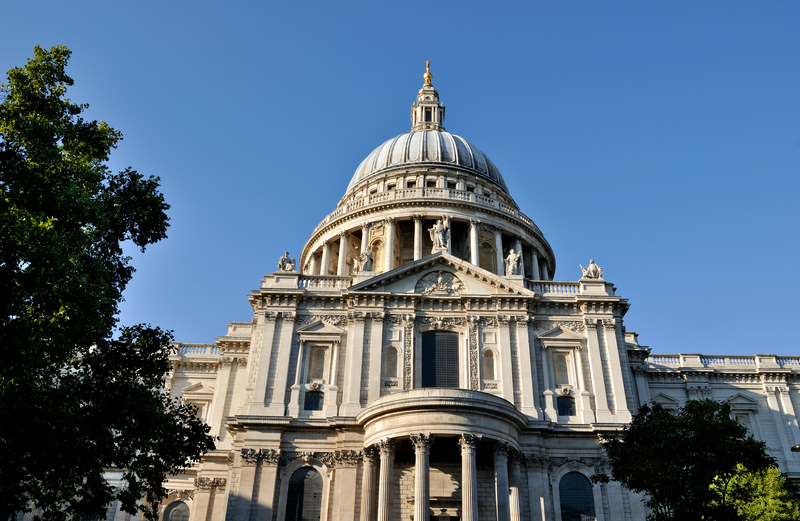
St Paul’s Cathedral
Approximately 30 minutes by public transport
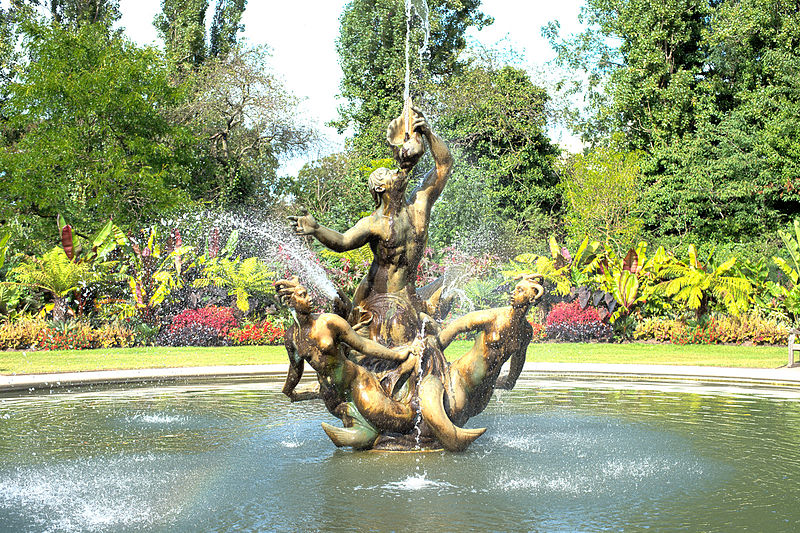
Regents park
Approximately 25–30 minutes’ walk
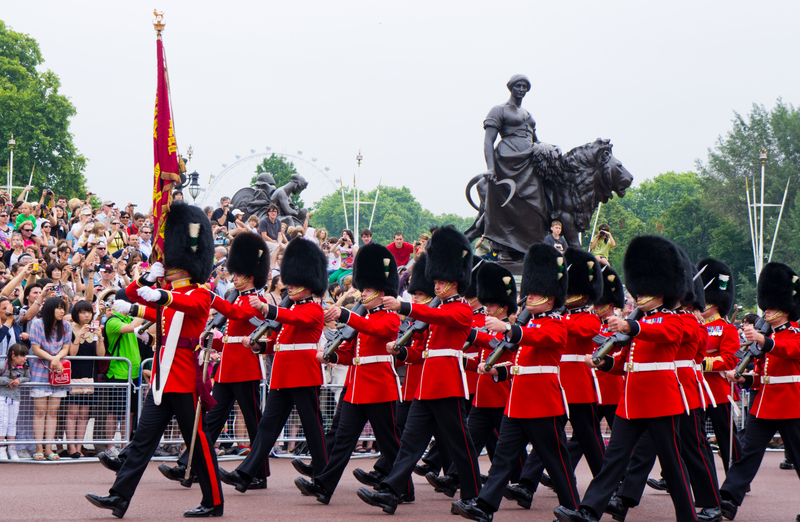
Buckingham Palace
Approximately 30–35 minutes by public transport
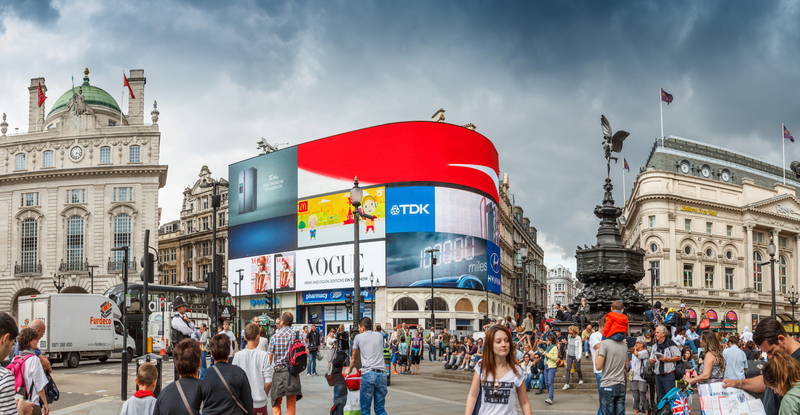
Piccadilly Circus
Approximately 25 minutes’ walk
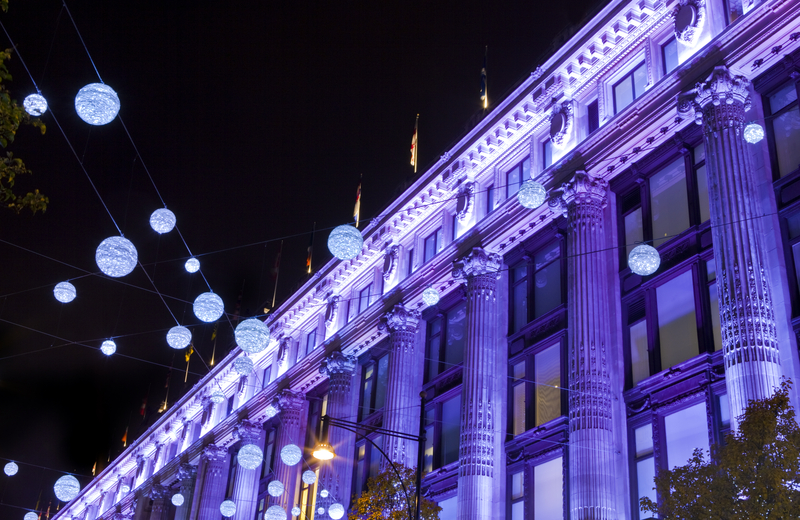
Oxford street
Approximately 15–20 minutes’ walk
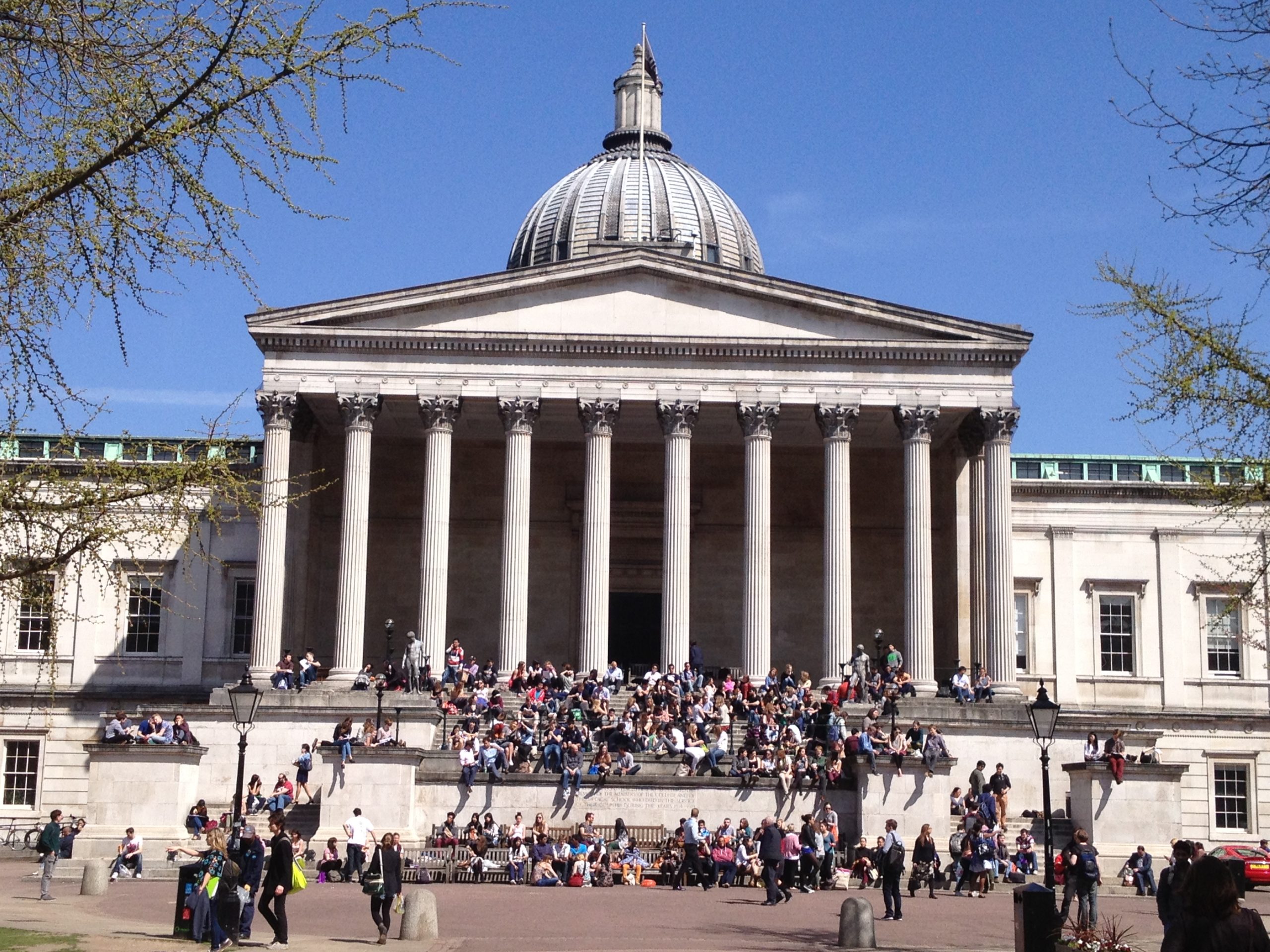
University College London
Approximately 5 minutes’ walk
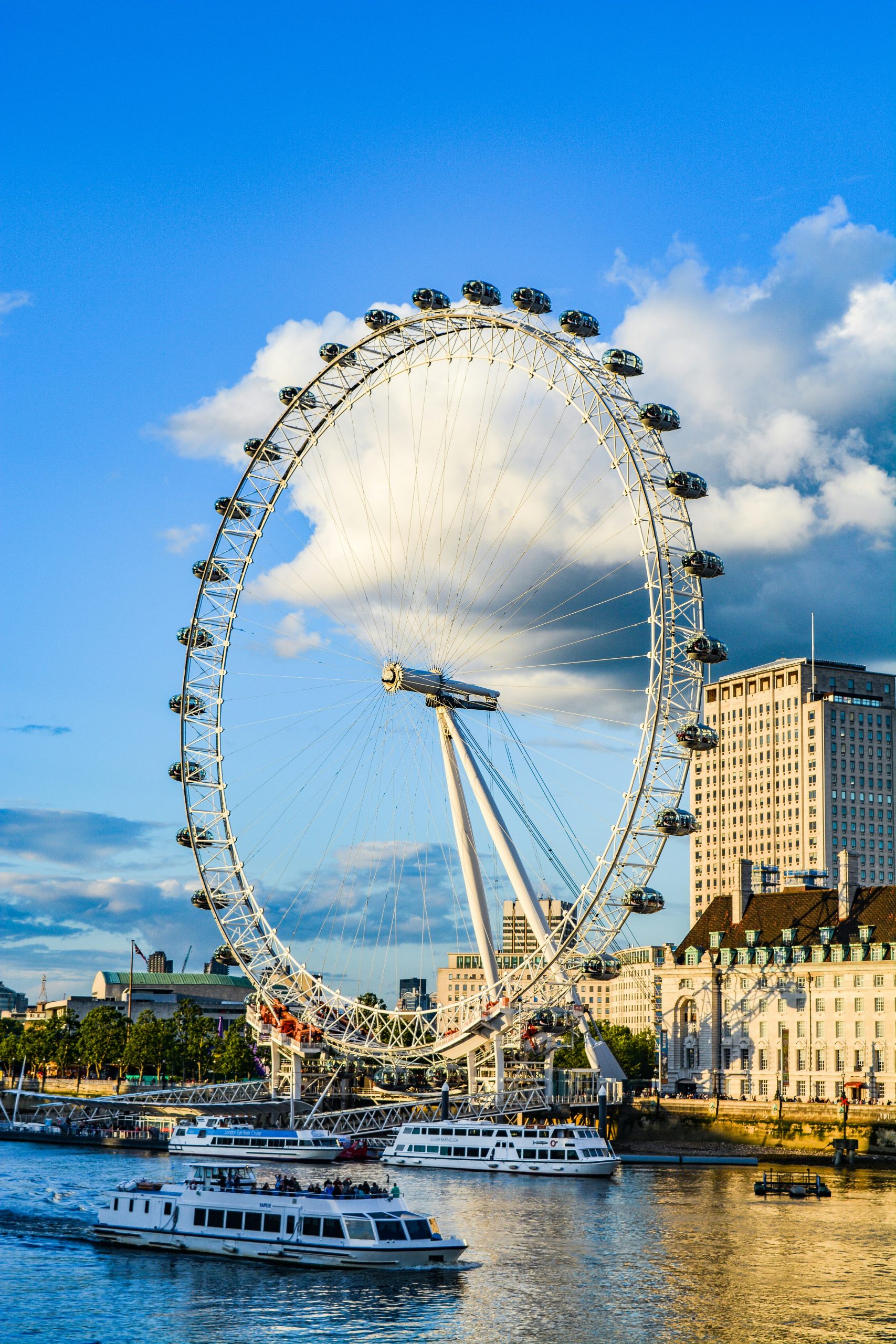
London Eye
Approximately 25–30 minutes by public transport
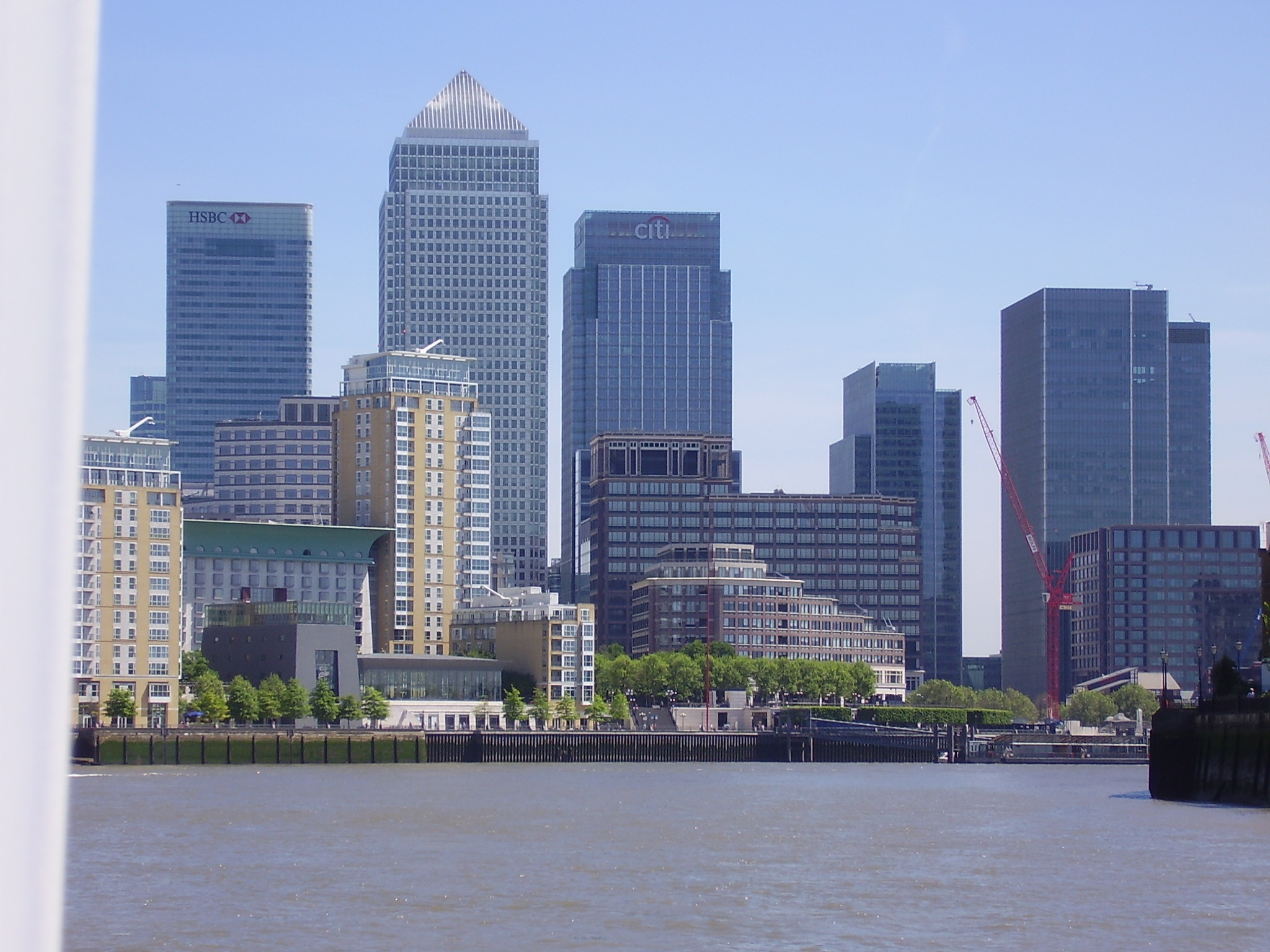
Canary Wharf
Approximately 30–35 minutes by public transport
London Tours & Sightseeing
Delegates who would like to explore more of London can choose from a wide range of sightseeing experiences, including:
- Guided tours of London’s historic and royal landmarks
- Hop-on hop-off sightseeing buses
- River Thames cruises
- Walking tours
- Tours of the Tower of London, Westminster Abbey and St Paul’s Cathedral
- Royal London and Changing of the Guard tours
For current information about attractions, sightseeing tours and activities:
Visit London – Things to Do
https://www.visitlondon.com/things-to-do