Precision Neuromodulation and the New Tinnitus Neuroscience
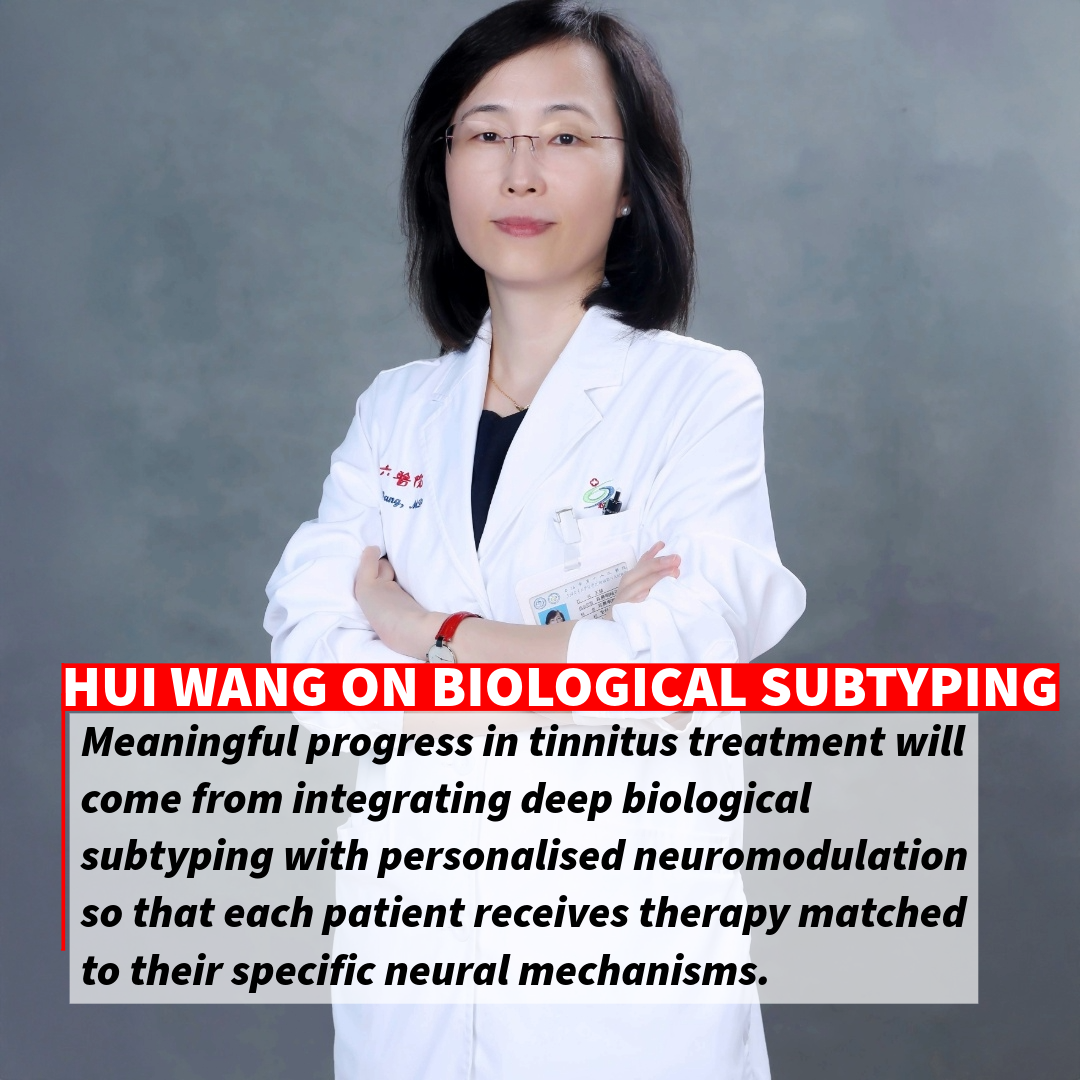
Neuromodulation continues to attract significant interest as a potential intervention for tinnitus, particularly as understanding of neural mechanisms becomes more sophisticated. This article explores how recent research is moving neuromodulation away from broad, trial-and-error application toward more precise, mechanism-informed approaches grounded in contemporary tinnitus neuroscience.
Early neuromodulation studies often applied stimulation protocols uniformly across heterogeneous tinnitus populations, leading to variable and sometimes disappointing outcomes. Recent work, however, increasingly recognises that tinnitus arises from diverse neural pathways and network states. Precision neuromodulation aims to identify which neural circuits are involved in a given individual and to tailor stimulation accordingly.
A major focus of current research is the use of electroencephalography and other neurophysiological tools to characterise tinnitus-related brain activity. Abnormal oscillatory patterns, altered connectivity, and changes in cortical excitability have all been implicated. These neural signatures provide potential targets for intervention and help explain why some individuals respond to neuromodulation while others do not.
Repetitive transcranial magnetic stimulation (rTMS) remains the most widely studied neuromodulation technique for tinnitus. Recent studies emphasise the importance of stimulation site selection, frequency, and timing. Rather than targeting auditory cortex indiscriminately, research increasingly explores network-level targets informed by individual brain profiles. This shift reflects broader trends in neuroscience toward personalised brain stimulation.
Bimodal neuromodulation approaches have also gained attention. These methods combine auditory stimulation with somatosensory or electrical input to influence neural plasticity through multisensory integration. While early results are promising for selected subgroups, variability in response remains substantial, reinforcing the need for careful patient selection and realistic expectations.
Importantly, neuromodulation is increasingly viewed as part of a broader therapeutic ecosystem rather than a standalone solution. Studies suggest that combining neuromodulation with counselling, behavioural strategies, or sound-based interventions may enhance outcomes by addressing both neural activity and cognitive-emotional processing. This integrated perspective aligns with contemporary models of tinnitus as a dynamic brain state shaped by attention, emotion, and learning.
The article also addresses limitations and challenges. Neuromodulation effects are often modest and transient, and optimal dosing schedules remain uncertain. Placebo responses can be significant, underscoring the importance of rigorous trial design and transparent reporting. Moreover, accessibility and cost continue to limit widespread clinical implementation.
Despite these challenges, precision neuromodulation represents an important frontier. By grounding intervention in individual neural profiles and integrating stimulation within comprehensive care pathways, researchers aim to move beyond blanket approaches toward targeted, rational application. This evolution reflects a maturing field that is increasingly guided by mechanism rather than hope alone.
Overall, advances in neuromodulation highlight both the promise and complexity of influencing brain networks in tinnitus. Continued progress will depend on careful phenotyping, methodological rigour, and integration with broader models of tinnitus care.
Citation
Aazh H. Precision Neuromodulation and the New Tinnitus Neuroscience: An Interview with Professor Hui Wang, Shanghai Jiao Tong University. Annual Tinnitus Report, Volume 1, 2026, pp. 75–78.
Click here to read the PDF of this article
Click on the link below to access the full Annual Tinnitus Report 2026: https://hashirtinnitusclinic.com/news/annual-tinnitus-report/