Rewiring Tinnitus Science: From Molecular Signals to Network-Level Care
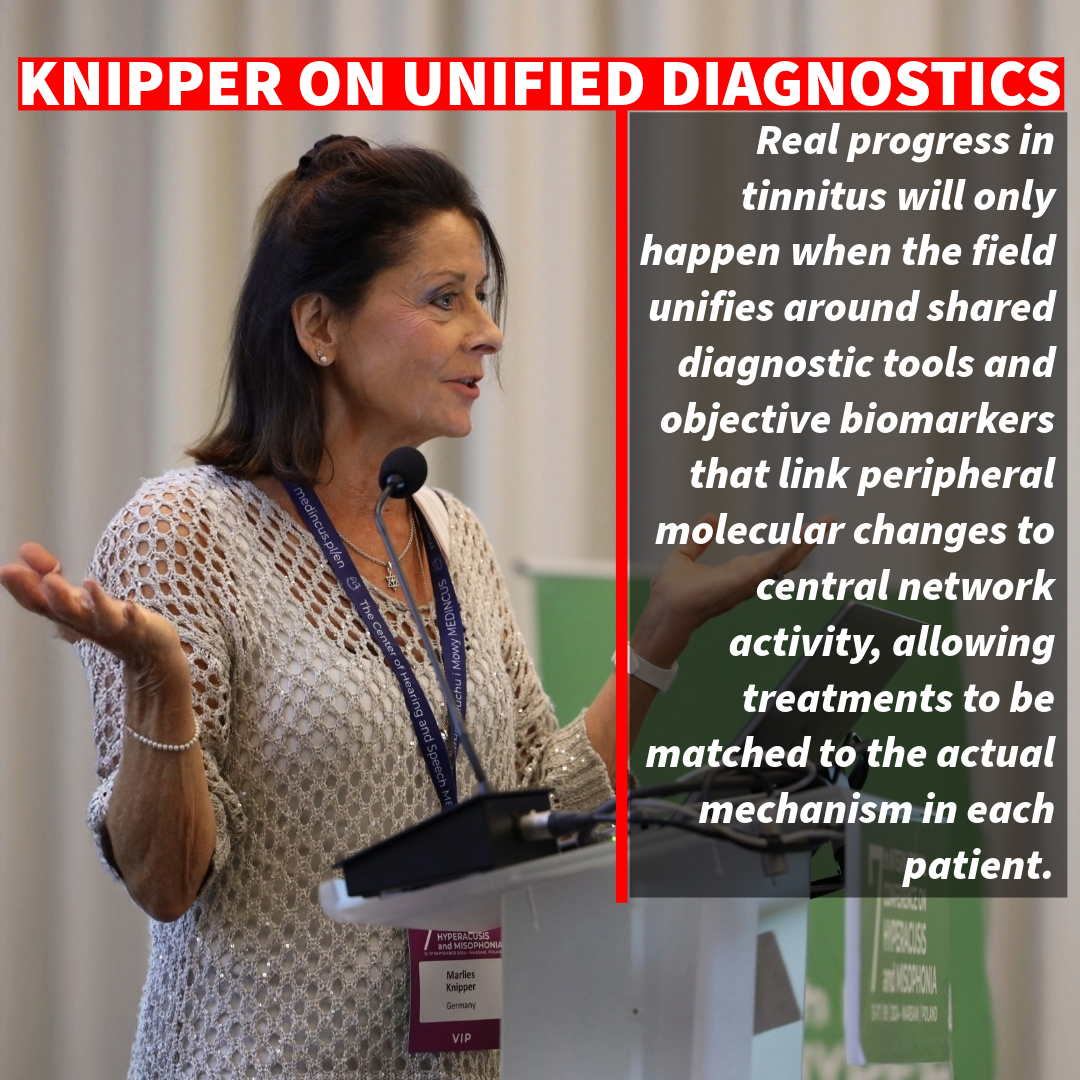
Recent advances in tinnitus research increasingly point toward the need to rethink how the condition is conceptualised, studied, and treated. Rather than focusing on isolated structures or single causal pathways, contemporary work emphasises interactions between molecular signals, neural networks, and clinical phenotypes. This article explores how a mechanism-driven perspective is reshaping tinnitus science and care.
At the molecular level, research continues to refine understanding of how peripheral injury initiates central change. Synaptic disruption, altered neurotransmitter balance, and inflammatory signalling are now recognised as key contributors to maladaptive plasticity. These processes do not operate in isolation. Instead, they interact dynamically with central gain control, inhibitory circuits, and neuromodulatory systems, setting the stage for persistent tinnitus.
One important theme is the role of thalamic and cortical gating. Evidence suggests that tinnitus may emerge when sensory filtering mechanisms fail to suppress internally generated auditory activity. Molecular changes affecting inhibition and neuromodulation can destabilise this gating, allowing aberrant signals to propagate through auditory and non-auditory networks. This perspective helps bridge the gap between cellular findings and large-scale brain network models.
Network-level research has reinforced the idea that tinnitus is maintained by distributed systems rather than a single “tinnitus centre.” Altered connectivity between auditory cortex, limbic regions, salience networks, and default mode systems has been consistently reported. These interactions help explain why tinnitus is often emotionally charged, intrusive, and resistant to habituation, even when peripheral damage is stable.
The article highlights how focusing on mechanisms rather than symptoms can clarify heterogeneity. Two individuals may present with similar tinnitus percepts but differ markedly in underlying biology, emotional regulation, or network dynamics. Mechanism-driven frameworks encourage stratification based on dominant pathways, such as synaptic loss, vascular vulnerability, stress-related neuromodulation, or central disinhibition. This has important implications for both research design and clinical decision-making.
Another key development is the push toward shared biomarkers. Molecular markers, imaging signatures, and electrophysiological patterns are increasingly discussed as tools to link basic research with clinical phenotypes. While no single biomarker has yet proven sufficient for routine use, combining multiple signals may improve stratification and prediction. This integrative approach aligns with broader trends in precision medicine.
The article also addresses translational challenges. Moving from molecular insight to effective therapy requires coordination across disciplines, realistic expectations, and sustained investment. Pharmacological approaches targeting specific pathways remain difficult to translate, but they benefit from clearer mechanistic grounding than in the past. Neuromodulation strategies similarly stand to gain from network-informed targeting rather than empirical application.
Importantly, the shift toward mechanism-driven care does not diminish the role of psychological and behavioural interventions. Instead, it situates them within a broader biological context. Emotional regulation, attention, and meaning-making interact with neural plasticity and gating processes, influencing whether tinnitus becomes distressing or manageable. Integrated care models are therefore presented as mechanistically coherent rather than merely pragmatic.
Overall, rewiring tinnitus science means moving beyond fragmented models toward an integrated understanding that spans molecules, networks, and lived experience. This approach offers a more realistic pathway toward personalised, effective, and scientifically grounded tinnitus care.
Citation
Aazh H. Rewiring Tinnitus Science: Professor Marlies Knipper on Molecular Signals, Networks and the Future of Mechanism-Driven Care. Annual Tinnitus Report, Volume 1, 2026, pp. 67–69.
Click here to read the PDF of this article
Click on the link below to access the full Annual Tinnitus Report 2026: https://hashirtinnitusclinic.com/news/annual-tinnitus-report/