Advancing Tinnitus Care in China: Building a National Platform for Education and Collaboration | 推动中国耳鸣诊疗发展:构建全国性教育与合作平台
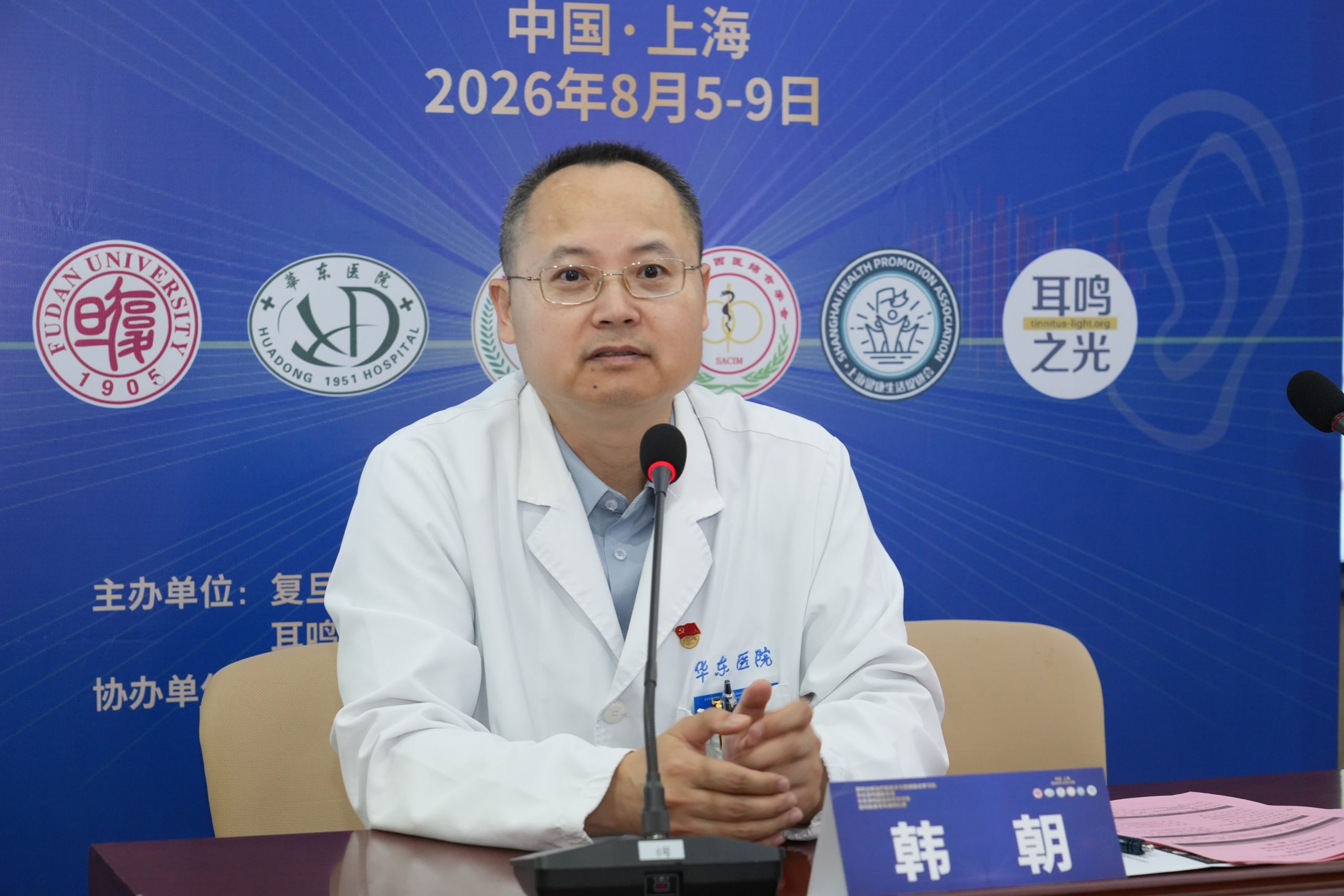
This report provides an overview of The 2026 Training Course on New Technologies and Management Models in Tinnitus Diagnosis and Treatment (The Fifth): Building a Multidisciplinary Platform for Tinnitus Education and Collaboration in China, held from 5–9 August 2026 at Huadong Hospital Affiliated to Fudan University in Shanghai, China.
本报告概述了《2026年耳鸣诊疗新技术与管理模式培训班(第五期):构建中国耳鸣教育与合作多学科平台》。该培训班于2026年8月5日至9日在中国上海复旦大学附属华东医院举行。
The five-day programme was designed to promote standardized tinnitus diagnosis, comprehensive treatment strategies, rehabilitation approaches, and multidisciplinary collaboration among tinnitus professionals in China. The training course has been successfully held for five consecutive years, becoming an important academic platform for tinnitus education and clinical exchange in China. 为期五天的培训项目旨在推动中国耳鸣诊疗的规范化、综合治疗策略与康复方法的发展,并促进耳鸣专业人员之间的多学科合作。该培训班已连续成功举办五年,逐步成为中国耳鸣教育与临床交流的重要学术平台。
Tinnitus is a complex clinical condition requiring comprehensive assessment and multidisciplinary management. This training course aimed to provide a national academic platform for clinicians, audiologists, and healthcare professionals to exchange experience, share advances, and improve clinical practice. 耳鸣是一种复杂的临床状况,需要进行全面评估和多学科管理。本次培训旨在为临床医生、听力学专业人员及其他医疗卫生专业人员提供一个全国性的学术平台,以交流经验、分享最新进展并提升临床实践水平。
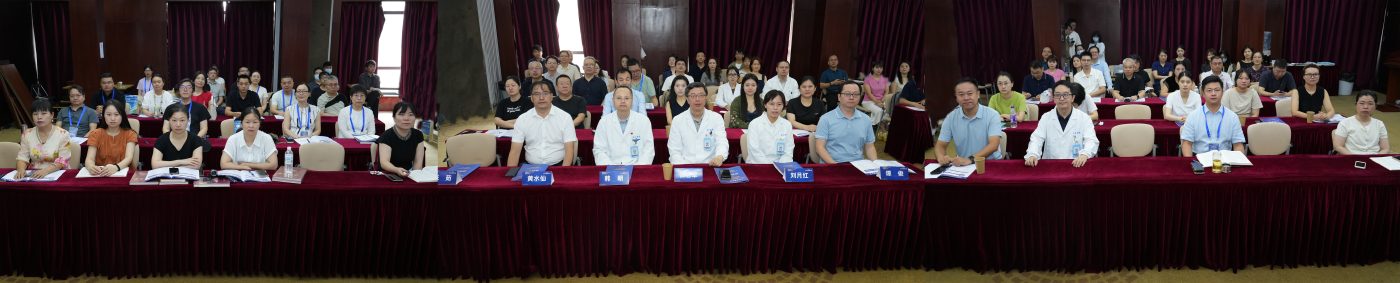
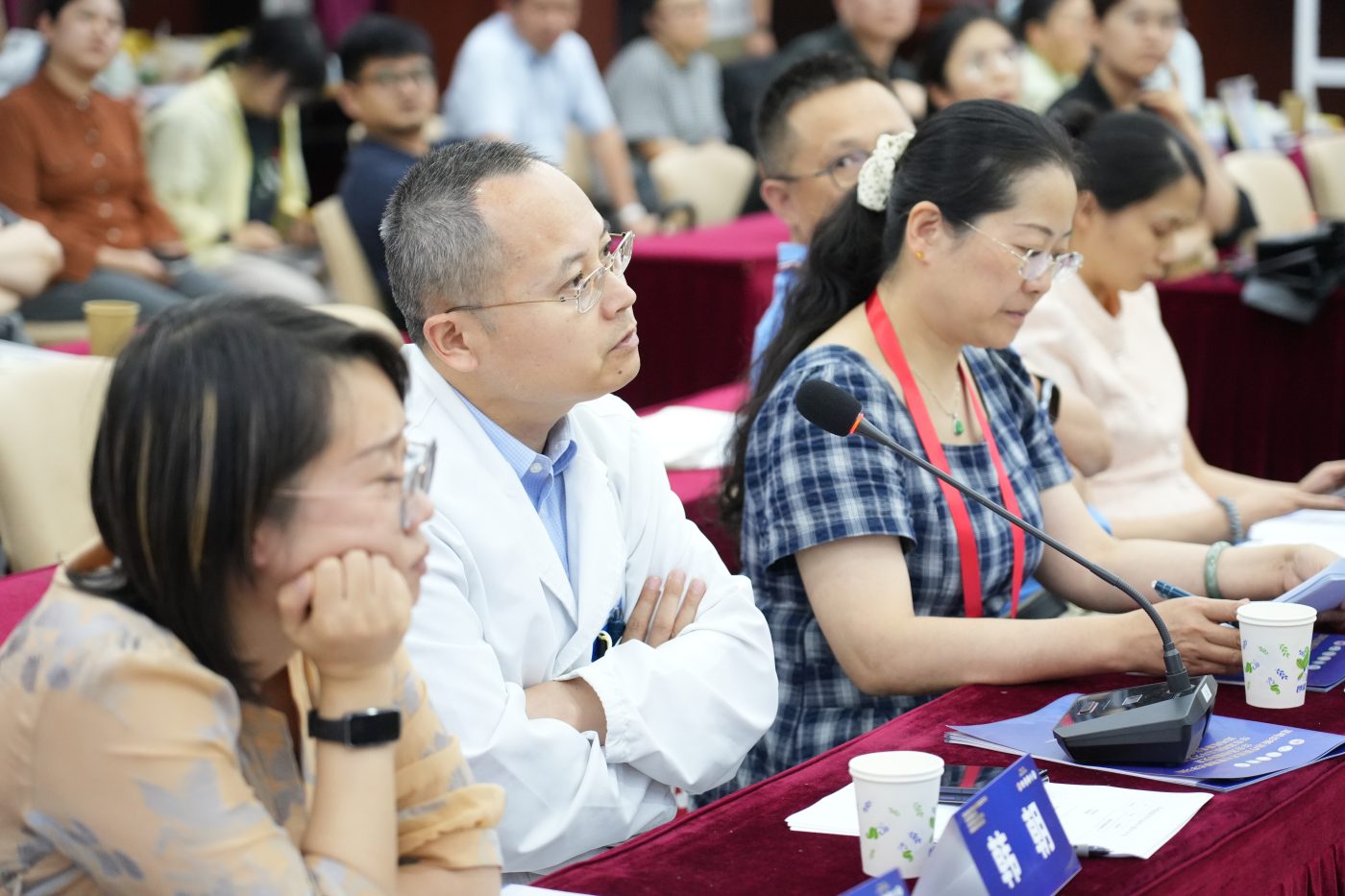
The course attracted more than 100 participants from different regions of China, including ENT specialists, otologists, audiologists, and hearing rehabilitation professionals from tertiary hospitals and tinnitus centres. 本次培训吸引了来自中国不同地区的100余名学员参加,包括来自三级医院和耳鸣中心的耳鼻咽喉科专家、耳科医生、听力学专业人员及听觉康复专业人员。
Scientific Programme and Main Topics
| Main Topic | Content |
|---|---|
| Tinnitus diagnosis and clinical management | Clinical evaluation, diagnostic strategies, and comprehensive management approaches for tinnitus. |
| Sound therapy and rehabilitation | Principles and clinical applications of sound therapy and tinnitus rehabilitation. |
| Hearing rehabilitation | Hearing aids, auditory rehabilitation, and management of tinnitus associated with hearing loss. |
| Cochlear implantation and auditory restoration | Clinical experience and progress in cochlear implantation and auditory rehabilitation. |
| Psychological intervention and CBT approaches | The role of psychological assessment and cognitive behavioural approaches in tinnitus management. |
| Hyperacusis and misophonia assessment | International perspectives on the assessment and differential diagnosis of sound intolerance disorders. |
| Multidisciplinary tinnitus care models | Collaboration among otologists, audiologists, psychologists, and rehabilitation professionals. |
A major feature of the course was the extensive academic discussion among experts and participants. Leading Chinese tinnitus specialists shared their clinical experience and discussed challenging cases from daily practice. Young clinicians from different regions also presented clinical cases related to tinnitus diagnosis and management. These presentations provided valuable opportunities for young doctors to improve their academic communication skills and clinical thinking. Outstanding case presentations were recognised through an award session.
The course also included international academic exchange. Dr Hashir Aazh, an internationally recognised expert in tinnitus, hyperacusis, and misophonia, delivered an online lecture entitled “Assessment and Differential Diagnosis of Hyperacusis and Misophonia”. His presentation provided international perspectives regarding the clinical classification, assessment, and management of sound intolerance disorders. The lecture was highly appreciated by participants and stimulated further discussion. His presentation materials were translated into Chinese, and real-time interpretation support was provided during the online session.
The course also highlighted the multidisciplinary and translational nature of modern hearing medicine. Professor Yilai Shu, President of Eye & ENT Hospital of Fudan University, delivered a keynote lecture on “Gene Therapy for Autosomal Dominant Hereditary Hearing Loss”, introducing advances in auditory gene therapy, including novel gene delivery strategies and minimally invasive inner ear treatment approaches. Professor Xiping Zhan from Howard University College of Medicine, USA, presented “Toward Understanding the Central Mechanisms of Hearing Loss and Tinnitus”, sharing insights into the neural mechanisms of hearing loss and tinnitus. Together with sessions on tinnitus management, sound therapy, hearing aids, cochlear implantation, and auditory rehabilitation, these lectures demonstrated the comprehensive and multidisciplinary nature of modern otology, integrating basic research, innovative therapies, and clinical care.
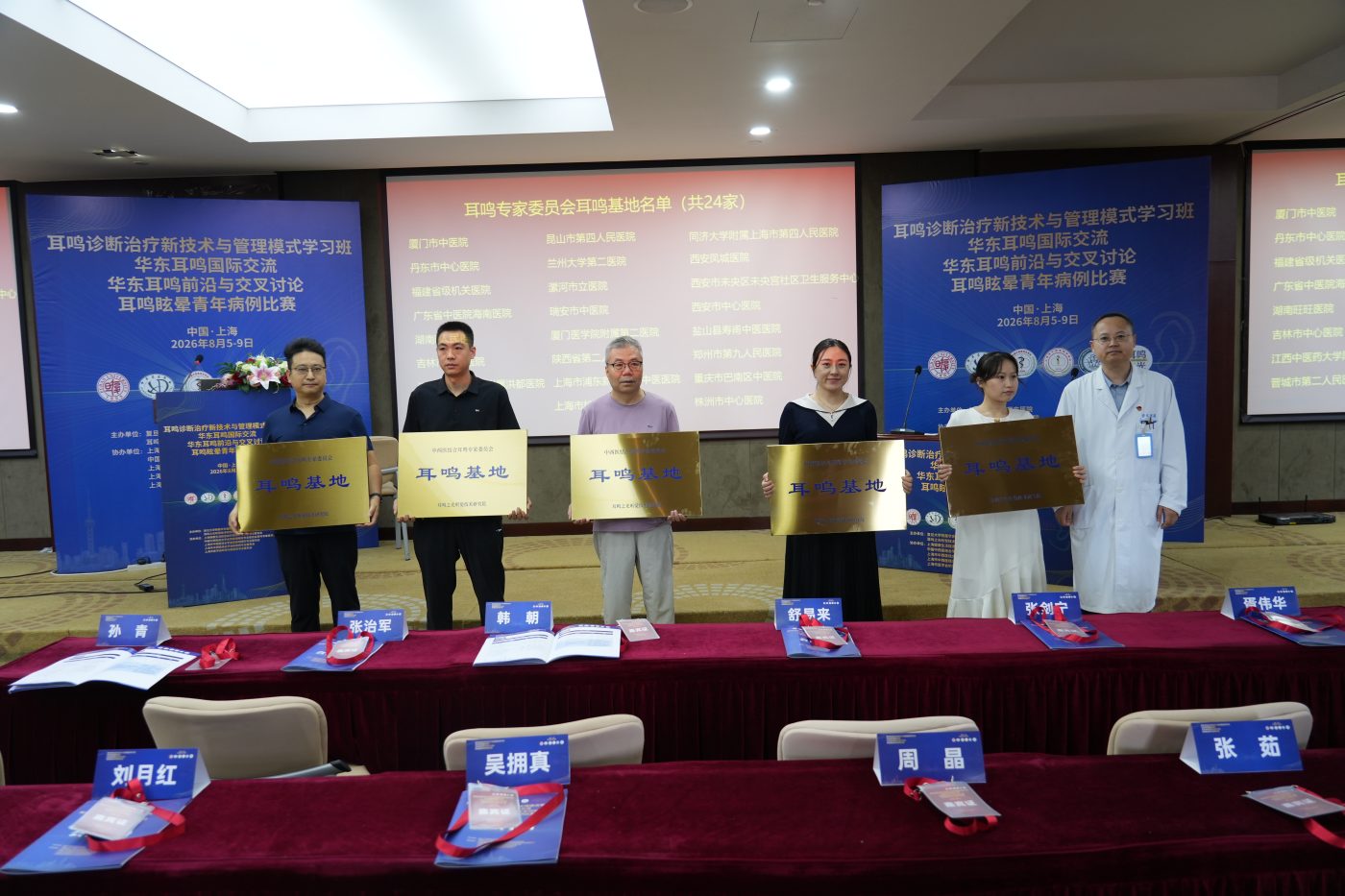
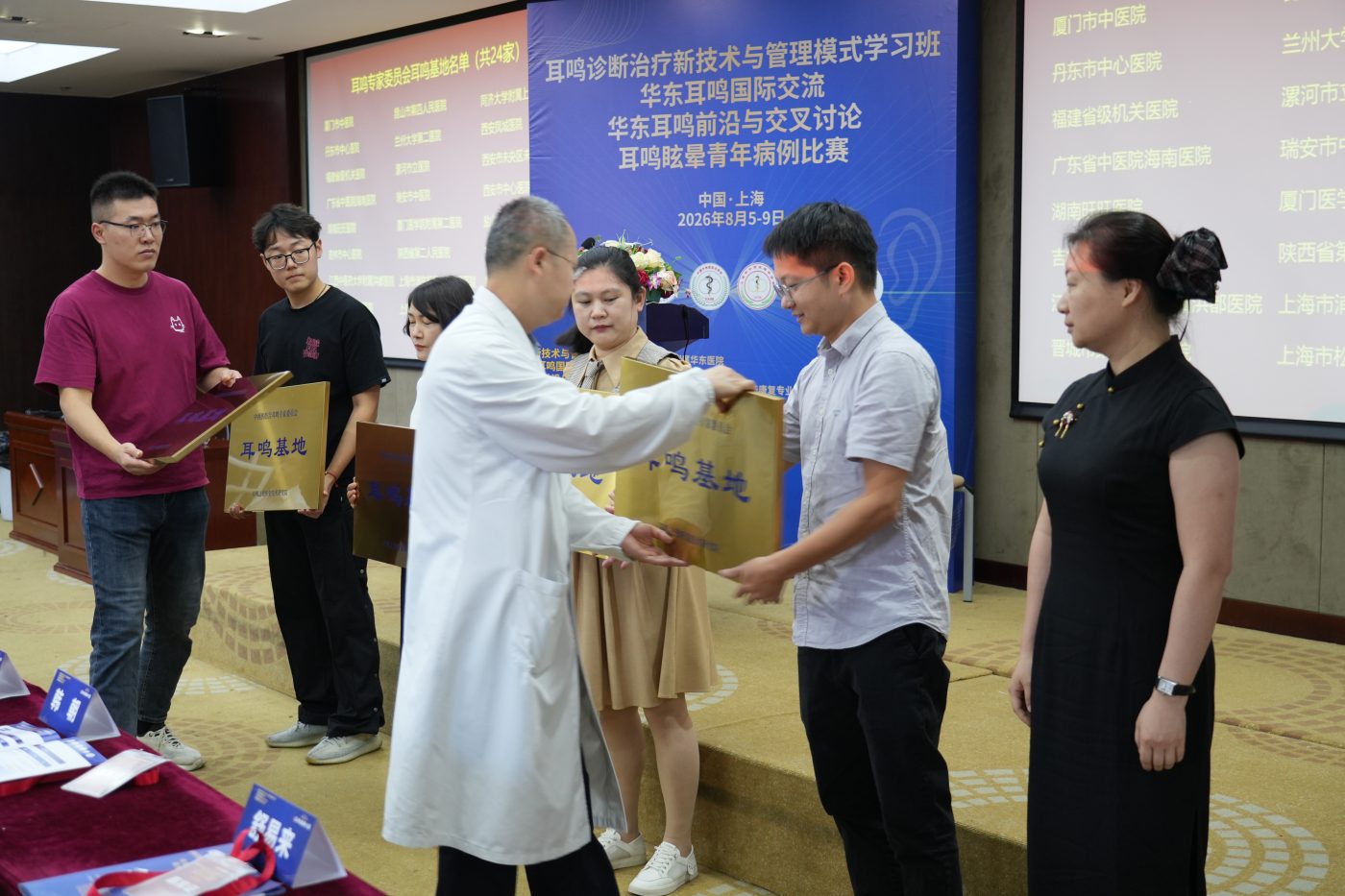
The organisation of this course reflects the continuous development of tinnitus clinical collaboration in China. Over recent years, more than 200 tinnitus clinical centres have been established nationwide, most of which are located in tertiary hospitals. Through the national tinnitus expert committee, tinnitus centre networks, and academic communication platforms, these centres have contributed to clinical education, standardized management, and collaborative research.
The Chinese tinnitus community has also actively promoted evidence-based and multidisciplinary approaches. Future efforts will focus on developing clinical practice guidelines, promoting comprehensive tinnitus management centred on sound therapy, and conducting multicentre clinical research.
Looking forward, we hope to further strengthen collaboration among clinicians, researchers, audiologists, and international colleagues.
Tinnitus clinical centers and national collaboration network.
本次培训的一大特色是专家与学员之间广泛而深入的学术交流。中国耳鸣领域的资深专家分享了临床经验,并围绕日常诊疗工作中的疑难病例展开讨论。来自不同地区的青年临床医生也展示了与耳鸣诊断和管理相关的临床病例。这些病例汇报为青年医生提升学术交流能力和临床思维提供了宝贵机会。优秀病例汇报还在评奖环节中获得了表彰。
本次培训还开展了国际学术交流。国际知名的耳鸣、听觉过敏和恐音症专家 Hashir Aazh 博士在线作了题为《听觉过敏与恐音症的评估及鉴别诊断》的专题讲座。他从国际视角介绍了声音不耐受相关疾病的临床分类、评估与管理。讲座受到与会者的高度评价,并引发了进一步的学术讨论。其讲座材料被翻译成中文,在线授课期间还提供了实时口译支持。
本次培训还突出了现代听觉医学的多学科与转化医学特点。复旦大学附属眼耳鼻喉科医院院长舒易来教授作了题为《常染色体显性遗传性听力损失的基因治疗》的主题报告,介绍了听觉基因治疗领域的最新进展,包括新型基因递送策略和微创内耳治疗方法。美国霍华德大学医学院 Xiping Zhan 教授作了题为《探索听力损失与耳鸣的中枢机制》的报告,分享了有关听力损失和耳鸣神经机制的研究见解。结合耳鸣管理、声治疗、助听器、人工耳蜗植入及听觉康复等专题,这些讲座展示了现代耳科学综合性、多学科的发展特点,将基础研究、创新治疗与临床照护有机结合。
本次培训的举办反映了中国耳鸣临床协作体系的持续发展。近年来,全国已建立200余家耳鸣临床中心,其中大多数设于三级医院。通过全国耳鸣专家委员会、耳鸣中心协作网络以及学术交流平台,这些中心在临床教育、规范化管理和协作研究等方面发挥了积极作用。
中国耳鸣专业领域也在积极推动循证和多学科诊疗模式的发展。未来的工作将重点关注临床实践指南的制定、以声治疗为核心的综合耳鸣管理模式的推广,以及多中心临床研究的开展。
展望未来,我们希望进一步加强临床医生、科研人员、听力学专业人员与国际同行之间的合作与交流。
耳鸣临床中心与全国协作网络。