The Psychoacoustic Lens: Why Measurement Still Matters in Tinnitus
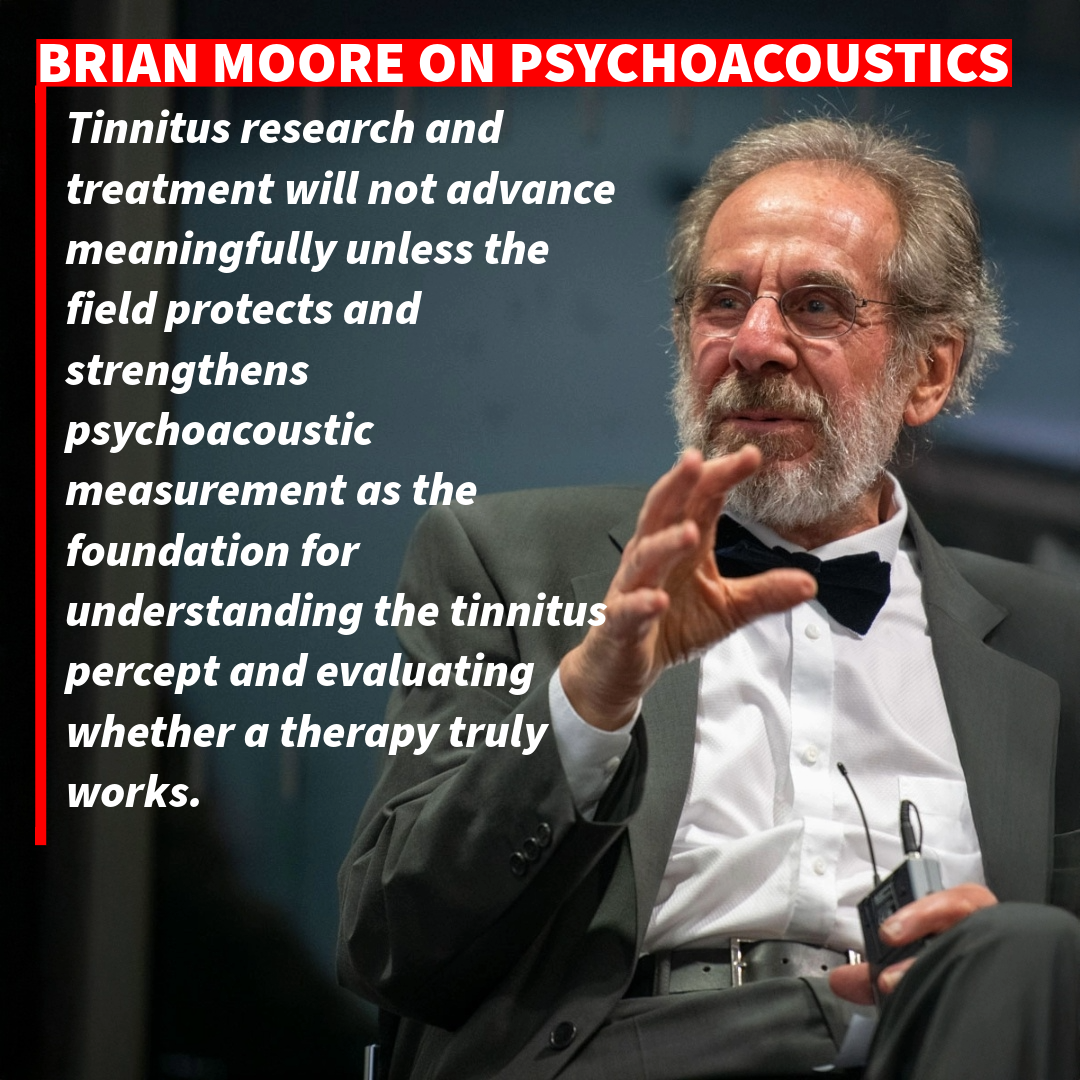
As tinnitus research increasingly focuses on brain networks, psychological processes, and clinical outcomes, the role of psychoacoustic measurement has sometimes been questioned. This article revisits the importance of psychoacoustics in tinnitus science, arguing that careful measurement of the tinnitus percept remains essential for understanding mechanisms, evaluating interventions, and advancing precision care.
Psychoacoustic assessment refers to the systematic characterisation of tinnitus perceptual features, including pitch, loudness, bandwidth, maskability, and residual inhibition. Historically, these measures formed a central part of tinnitus research and clinical assessment. However, their use has declined in recent years, partly due to time constraints in clinical settings and growing emphasis on questionnaire-based outcomes.
The article highlights concerns that this shift risks weakening the scientific foundations of tinnitus research. Without accurate characterisation of the tinnitus percept, it becomes difficult to link subjective experience to underlying neural mechanisms or to determine whether an intervention has altered tinnitus itself or merely changed the individual’s response to it. Psychoacoustic measures provide a bridge between physiology and perception that cannot be replaced by questionnaires alone.
Recent research demonstrates that tinnitus percepts are highly heterogeneous. Individuals may experience tonal, noise-like, or complex sounds with varying stability over time. These differences are not trivial. They may reflect distinct underlying mechanisms and influence responsiveness to specific interventions, including sound therapy, hearing aids, and neuromodulation. Failure to capture this variability risks obscuring meaningful treatment effects.
The article also addresses common criticisms of psychoacoustic methods, including concerns about reliability and clinical relevance. Advances in testing protocols, digital tools, and repeated-measures designs have improved measurement stability and feasibility. When used appropriately, psychoacoustic data can provide valuable insight into treatment response, particularly when combined with imaging, electrophysiology, and psychological assessment.
Importantly, psychoacoustics is framed not as an alternative to patient-reported outcomes, but as a complementary approach. Questionnaires capture distress, impact, and coping, while psychoacoustic measures characterise the percept itself. Together, they allow a more complete understanding of tinnitus as both a sensory and experiential phenomenon.
The article also considers the role of psychoacoustics in future precision medicine approaches. Stratifying patients based on perceptual characteristics may help identify subgroups more likely to benefit from specific interventions. This has implications for clinical trials, where heterogeneous samples can dilute apparent treatment effects.
Ultimately, the article argues that tinnitus research risks stagnation if psychoacoustic expertise continues to decline. Revitalising training, integrating measurement into research protocols, and embracing new technologies are presented as necessary steps for advancing tinnitus science. Precision in measurement, the article concludes, remains a prerequisite for precision in care.
Citation
Aazh H. The Psychoacoustic Lens: Professor Brian C. J. Moore on the Future of Tinnitus Research and Assessment. Annual Tinnitus Report, Volume 1, 2026, pp. 41–44.
Click here to read the PDF of this article
Click on the link below to access the full Annual Tinnitus Report 2026: https://hashirtinnitusclinic.com/news/annual-tinnitus-report/