Epidemiology and Population Studies: Mapping Global Risk and Vulnerability in Tinnitus
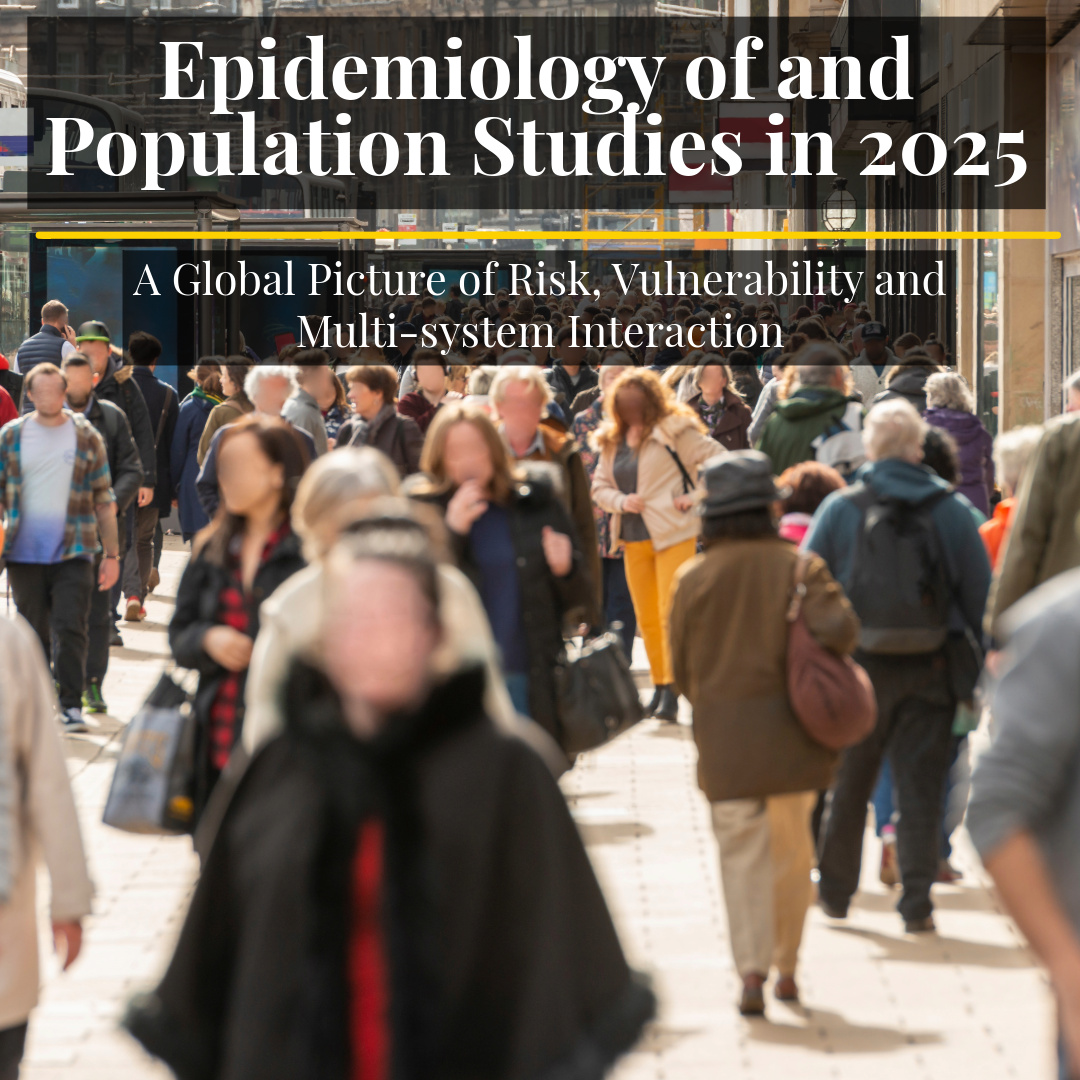
Epidemiological and population-based research continues to play a central role in shaping contemporary understanding of tinnitus. This article examines how large-scale studies from around the world are redefining tinnitus as a condition influenced by a complex interplay of biological, psychological, and social factors, rather than a disorder confined to the auditory system alone.
Over the past year, epidemiology represented the largest thematic category within the tinnitus literature. Population studies explored prevalence, incidence, risk factors, and comorbidities across diverse age groups and regions. One of the most consistent findings across this body of work is the strong association between tinnitus and mental health, particularly anxiety, depression, and stress-related conditions. These associations persist even when controlling for hearing loss, highlighting the importance of emotional and cognitive factors in tinnitus severity and persistence.
Sleep disturbance has emerged as another key area of focus. Large cohort studies show that insomnia and poor sleep quality are both common among people with tinnitus and predictive of greater distress. Importantly, sleep problems often precede worsening tinnitus impact, suggesting a bidirectional relationship that has implications for assessment and treatment planning. These findings reinforce the need for integrated approaches that address sleep alongside tinnitus-specific interventions.
Cardiovascular and metabolic health also feature prominently in recent epidemiological work. Studies examining hypertension, diabetes, obesity, and vascular disease suggest that systemic health plays a meaningful role in tinnitus risk and progression. This has particular relevance for ageing populations, where tinnitus frequently coexists with multiple long-term health conditions. Such findings challenge narrow models of tinnitus and support broader, multisystem conceptualisations.
Age and noise exposure remain important risk factors, but population studies increasingly show that these alone do not determine tinnitus impact. Many individuals with similar levels of hearing loss or noise exposure report vastly different tinnitus experiences. This variability underscores the role of psychological resilience, coping strategies, and social context in shaping outcomes.
Epidemiological research has also contributed to understanding health inequalities in tinnitus care. Access to diagnosis, specialist services, and evidence-based treatment varies widely between regions and healthcare systems. Digital interventions and stepped-care models are increasingly discussed as potential solutions to address unmet need, particularly in low-resource settings.
Another important contribution of population studies is their role in informing service design and policy. By quantifying prevalence and burden, epidemiological data help justify investment in tinnitus services, training programmes, and research funding. They also provide benchmarks against which the impact of new interventions and care models can be evaluated.
Overall, this body of research reinforces the view of tinnitus as a multifactorial condition embedded within broader patterns of health and wellbeing. Epidemiology does not merely describe how common tinnitus is; it reveals who is most vulnerable, why some people struggle more than others, and where intervention may be most effective. These insights are essential for developing equitable, targeted, and sustainable tinnitus care strategies.
Citation
Aazh H. Epidemiology of Tinnitus and Population Studies in 2025: A Global Picture of Risk, Vulnerability and Multisystem Interaction. Annual Tinnitus Report, Volume 1, 2026, pp. 28–32.
Click here to read the PDF of this article
Click on the link below to access the full Annual Tinnitus Report 2026: https://hashirtinnitusclinic.com/news/annual-tinnitus-report/