The Foundations of a Cure: Basic Research in a Shifting Policy Landscape
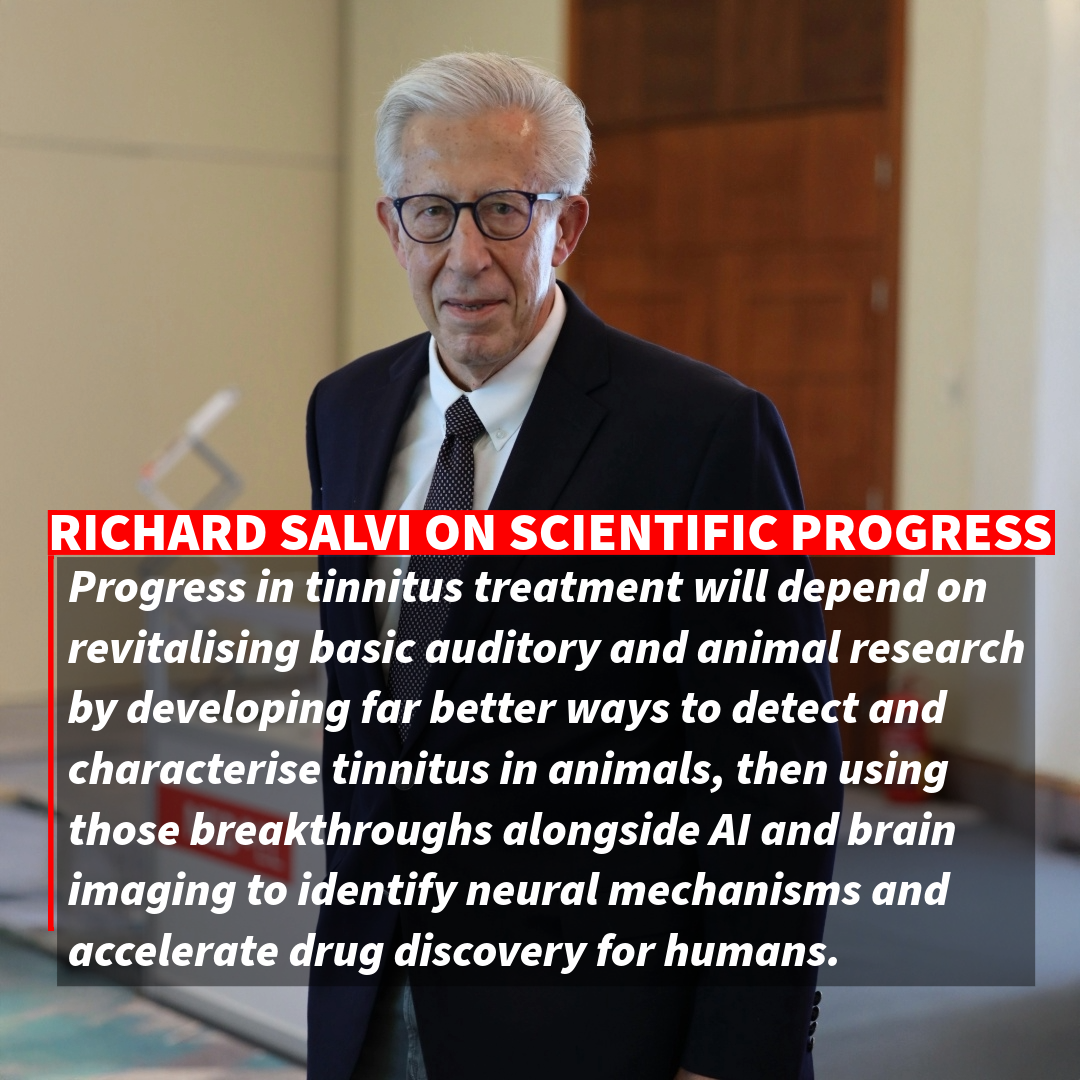
As tinnitus research becomes increasingly focused on clinical application and service delivery, questions are sometimes raised about the continued role of basic auditory and animal research. This article examines why progress toward a genuine cure for tinnitus depends fundamentally on sustained investment in mechanistic science, particularly at a time when research policy is increasingly driven by short-term outcomes.
Basic research provides the conceptual foundations on which all translational and clinical advances rest. Studies of auditory physiology, synaptic function, neural inhibition, and plasticity have shaped current understanding of how tinnitus arises and why it persists. Without this work, it would not be possible to develop targeted pharmacological, neuromodulatory, or regenerative interventions.
The article reflects on the changing policy and funding landscape facing basic tinnitus research. In many countries, funding priorities have shifted toward rapid translation and near-term clinical impact. While these aims are understandable, the article argues that deprioritising foundational science risks narrowing the pipeline of future therapeutic options. Many major clinical breakthroughs have emerged from basic discoveries whose relevance was not immediately apparent at the time.
Animal models continue to play a central role in this effort. They allow researchers to investigate tinnitus-related neural changes in ways that are not possible in humans, including direct measurement of synaptic activity, inhibitory failure, stress-related modulation, and plastic reorganisation within auditory pathways. Advances in behavioural paradigms have improved the ability to infer tinnitus-related percepts in animal models, strengthening their relevance to human research.
The article also highlights progress in molecular and cellular approaches. Research into synaptopathy, neuroinflammation, oxidative stress, and neuromodulatory systems has revealed multiple candidate targets for intervention. These findings are helping to explain why tinnitus varies widely between individuals and are informing early-stage drug development and regenerative strategies.
Importantly, basic research is increasingly integrated with imaging, computational modelling, and human neuroscience. Cross-disciplinary approaches are enabling researchers to link cellular-level changes with large-scale brain networks and clinical phenotypes, moving the field toward a more coherent mechanistic framework.
The role of basic research is also framed in strategic terms. Developing a cure for tinnitus is not a short-term endeavour but a long-term commitment that requires sustained funding, methodological rigour, and tolerance for uncertainty. Clinical innovation and service redesign are essential, but without robust basic science, the aspiration of a cure risks remaining out of reach.
Citation
Aazh H. The Foundations of a Cure: Basic Research in a Shifting Policy Landscape. Annual Tinnitus Report, Volume 1, 2026, pp. 23–27.
Click here to read the PDF of this article
Click on the link below to access the full Annual Tinnitus Report 2026: https://hashirtinnitusclinic.com/news/annual-tinnitus-report/